
Last updated October 16, 2026
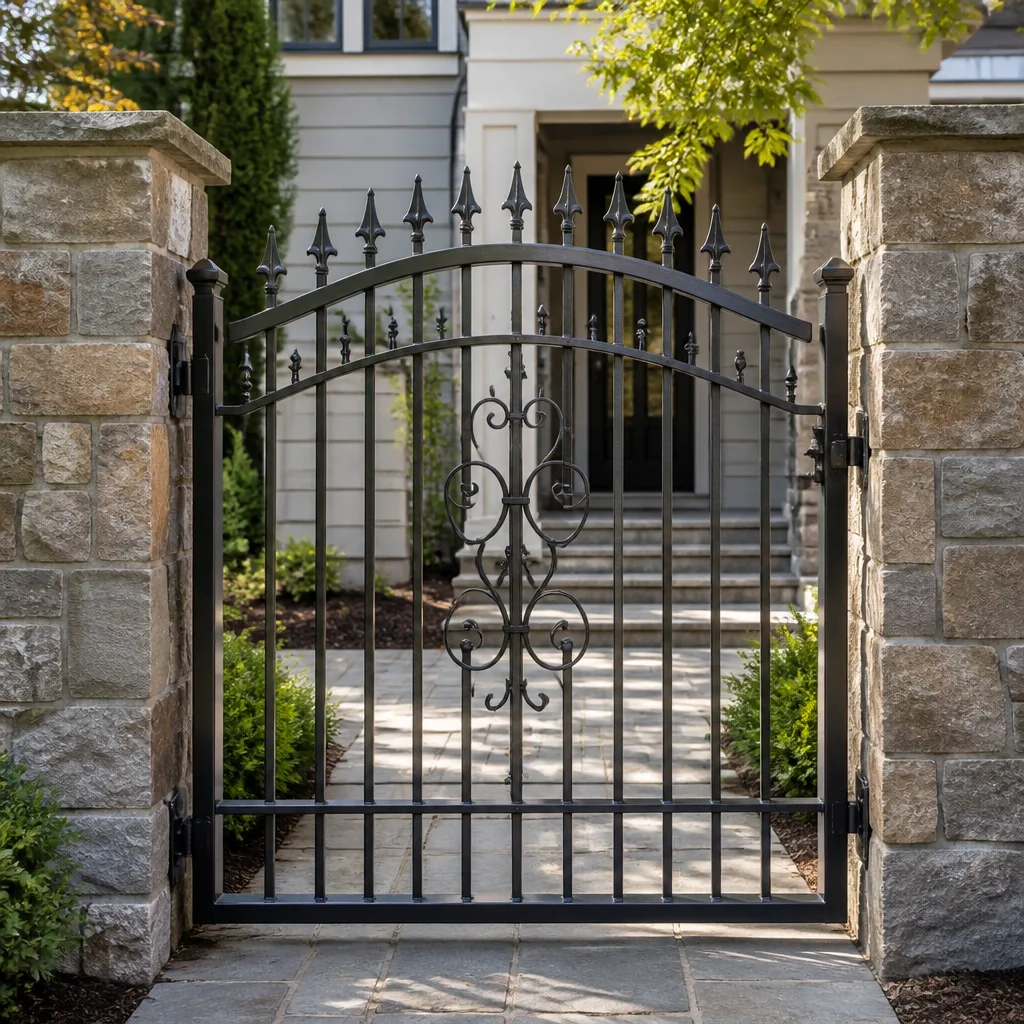 Wrought iron
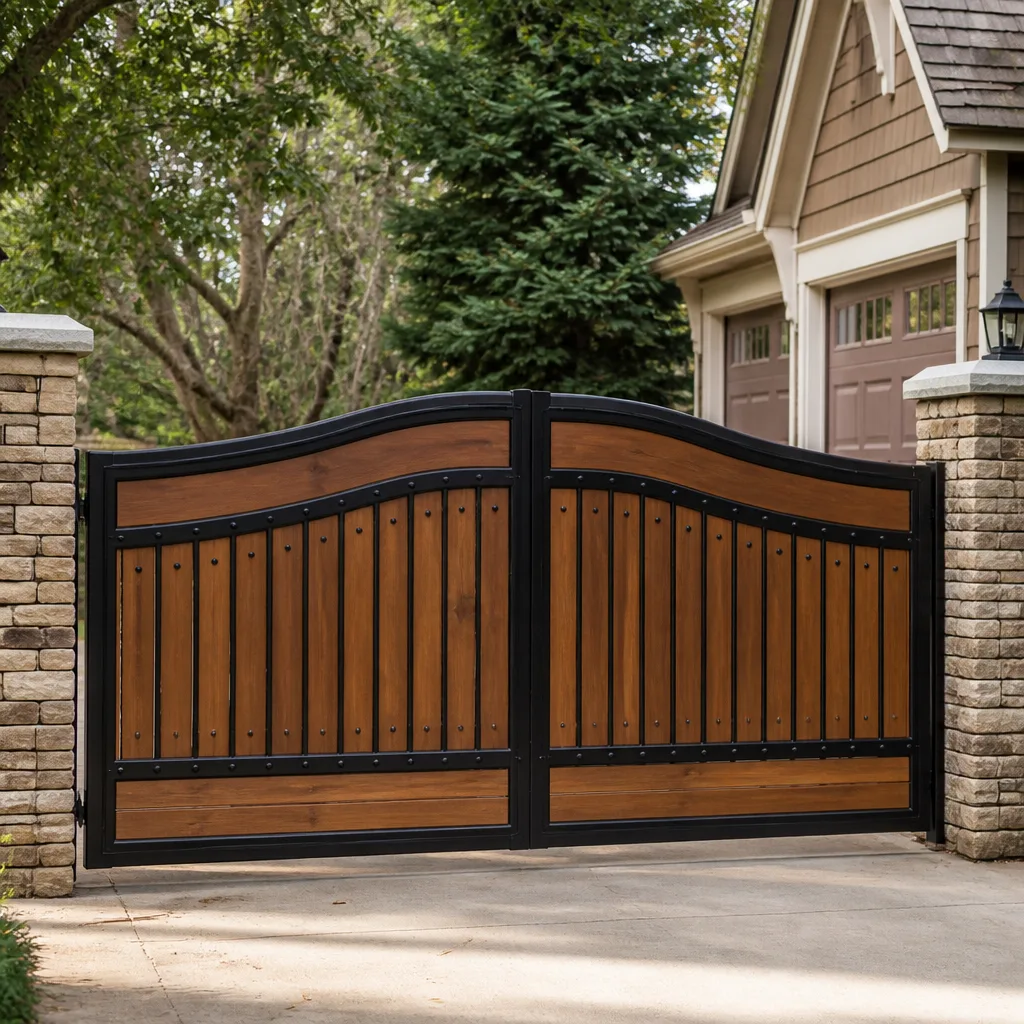 Wood & steel frame
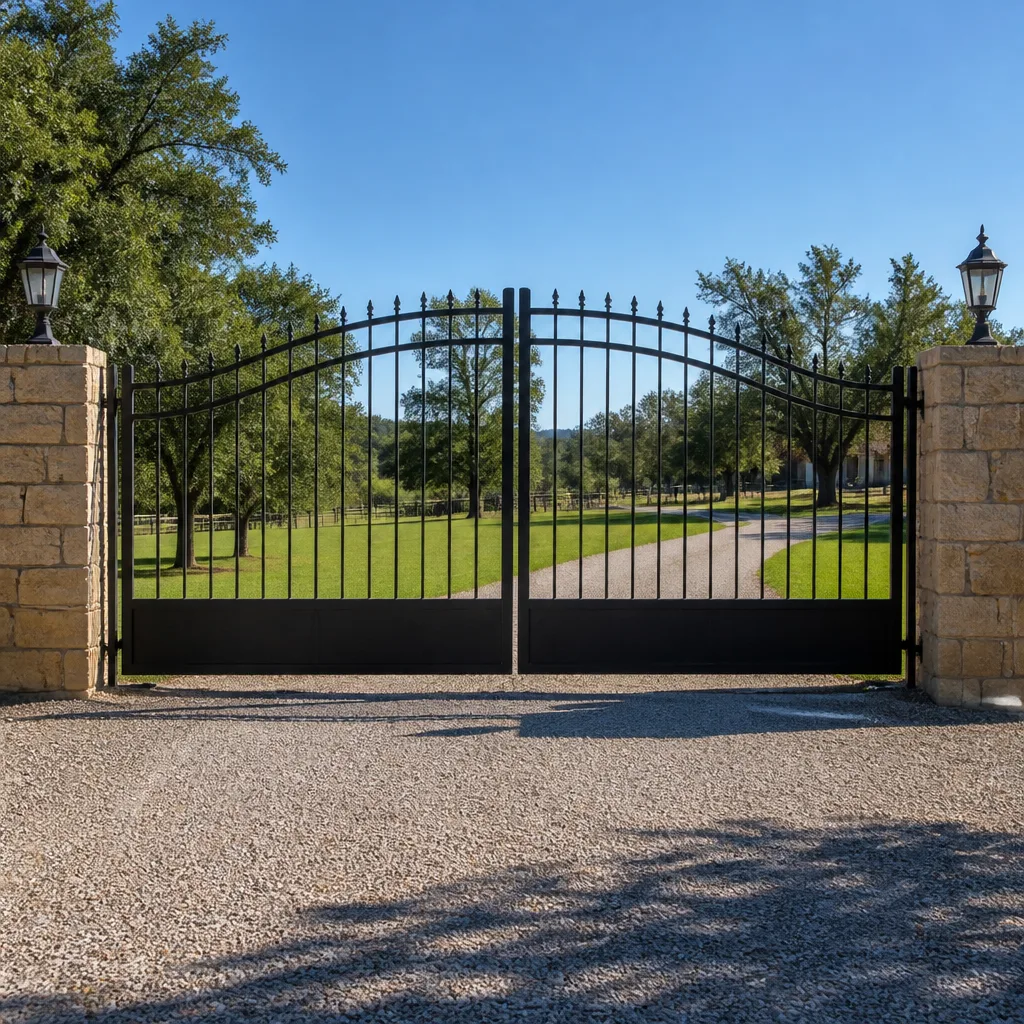 Farm & ranch
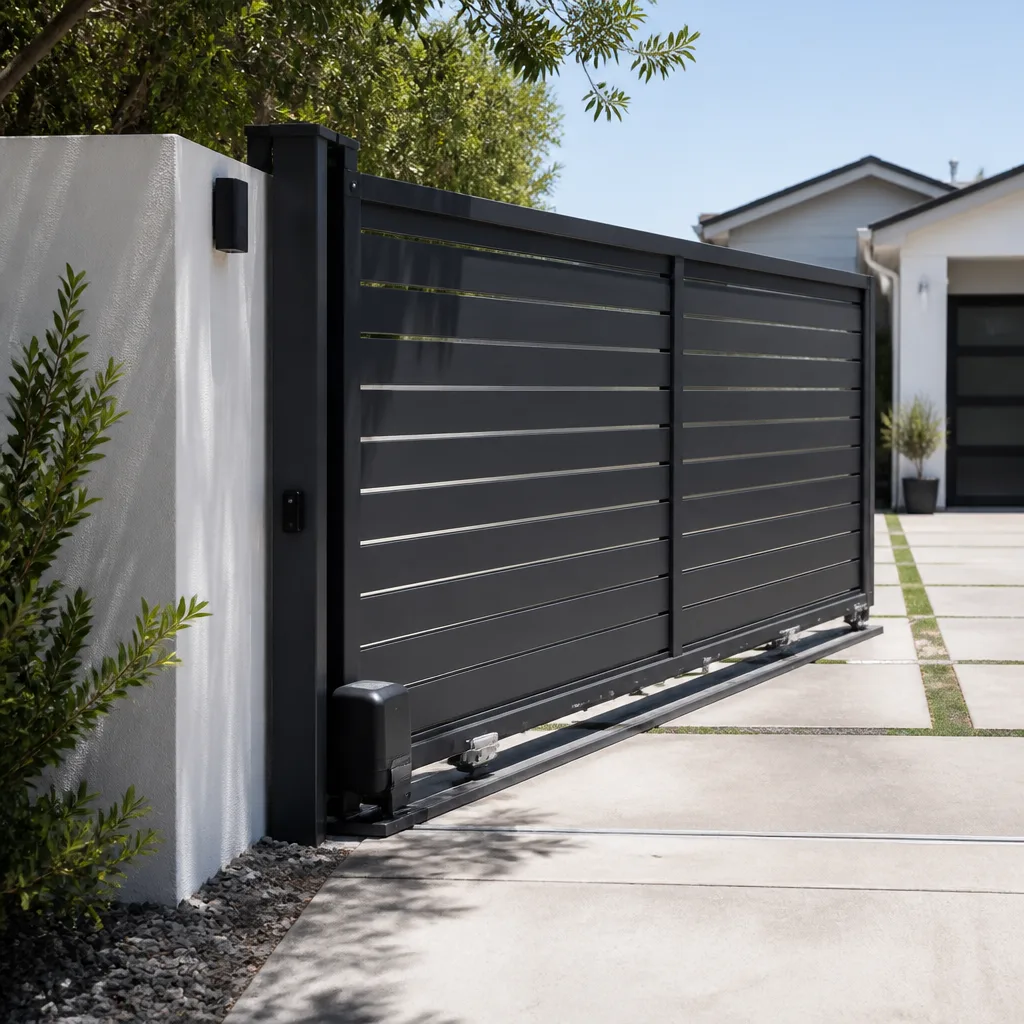 Sliding driveway gates
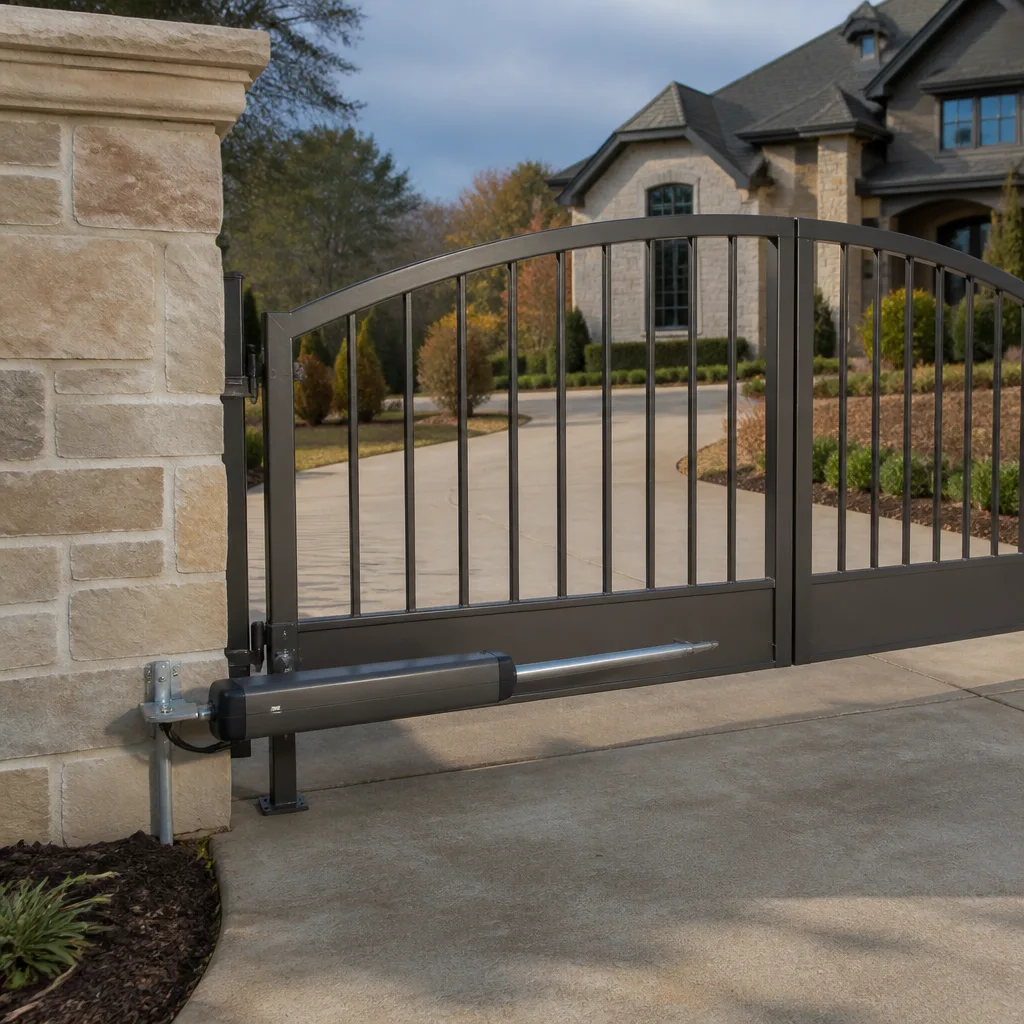 LiftMaster operators
Free on-site gate assessment - hinges, posts, and your LiftMaster or Nice gate operator checked before anything is quoted
The assessment is free and the quote is the invoice.
Get your free estimateSeasonal Gate Repair Care for Long Beach: Year-Round Homeowner’s Guide
Long Beach homeowners who follow a standard spring-summer-fall-winter gate maintenance guide are solving for a climate that doesn’t exist here. They’re oiling hinges in April when the real threat is still two months out, and they’re winterizing in November when the damage has already been done by October’s Santa Anas. This guide replaces the generic four-season checklist with something that actually matches how gates fail in Long Beach: a two-season corrosion-and-heat cycle that explains why repair calls spike every August and every December. You’ll learn exactly what to check, when to check it, what it costs if you skip it, and how to keep a gate running for years without a surprise our Gate Repair services bill.
Styles & brands we work with
Quick Answer
Seasonal gate care in Long Beach means servicing your gate twice a year: once before June Gloom humidity arrives (April – May) and once after the Santa Ana winds end (November – December). The two jobs that matter most in this climate are applying corrosion protection to hinges, rollers, and motor contacts before the marine layer settles in, and checking for heat-expanded seals, warped wood, and loosened wind-latch hardware before and after the dry season. A homeowner who follows this two-visit schedule will typically spend $150 – $250 per year on preventive care and avoid the $400 – $900 repair calls that dominate our August and December service queue at Warden Gate Repair Long Beach home.
Table of Contents
- Why Long Beach Has Two Seasons, Not Four
- The June Gloom Window: May – July Corrosion Season
- Late Summer Heat Checks: August – September
- Santa Ana Wind Preparation: October – November
- Winter Rain and the Post Base: December – February
- The Two-Service-Per-Year Schedule (That Actually Works)
- Common Mistakes to Avoid
- When to Call a Professional
- Frequently Asked Questions
- The Bottom Line
Why Long Beach Has Two Seasons, Not Four
Standard seasonal maintenance advice assumes a climate with freezing winters, wet springs, hot summers, and falling leaves. Long Beach doesn’t have those. What we have is a Mediterranean climate with two dominant forces: persistent marine-layer humidity from late spring through mid-summer, and a long dry stretch from July through November punctuated by offshore wind events. In our experience repairing gates across Long Beach since 2008, we can tell you that gates here fail on a predictable pattern tied to those two forces, not to the calendar. For more guides & resources, see our blog.
The first failure window is corrosion. When the marine layer parks over Belmont Shore, Naples, and the rest of coastal Long Beach, the constant damp air works on unprotected metal. Hinges rust. Roller bearings seize. Gate motor contacts oxidize. Photo eye sensors grow a film of salt haze. A gate that worked fine in April can be grinding and binding by July, and the owner never touched it.
The second failure window is expansion and dryness. From late July through October, Long Beach runs hot and arid, with humidity sometimes dropping below 15 percent during Santa Ana events. Wood gates lose moisture and shrink, cracking at joints and pulling away from hinge screws. Vinyl and composite gates expand and contract with temperature swings that can exceed 35 degrees between night and mid-afternoon. Elastomer seals, the soft rubber strips along the bottom and sides of many gates, dry out and crack. Photo eyes drift out of alignment as metal posts expand in the heat. None of these failures respond to a “spring cleaning” or a “winterization.”
The short version: if you live within five miles of the ocean in Long Beach, your gate’s primary enemy is salt-tinged damp. If you live inland, around Los Altos, Bixby Knolls, or Signal Hill, your gate’s primary enemy is dry heat and wind gusts that scream down the 405 corridor and through the Los Cerritos area. A good maintenance plan addresses both because most Long Beach properties get a mix of the two.
The June Gloom Window: May – July Corrosion Season
June Gloom is the Long Beach nickname for the marine layer that rolls in during late spring and sits over the coast through early summer. For your gate, it’s not gloomy, it’s destructive. The air during this stretch often sits at 70 to 85 percent relative humidity for weeks at a time, with a fine salt content carried in from the Pacific. That combination is exactly what causes the most common gate repair calls we see at Gate Repair in Long Beach between June and August.
The corrosion mechanism is straightforward. Bare steel, which most gate hinges and many gate frames are made from, oxidizes when exposed to moisture and salt. The rust expands, binding hinge pins and making the gate harder to swing. If the gate is automated, the motor has to work harder against the binding, which shortens the motor’s life and increases the chance of a stripped gear or a burned-out control board. The repair for a rust-seized hinge typically costs $180 – $320 per hinge, depending on whether we can free and treat it or need to replace it. The prevention, which can be done in about 20 minutes using materials from any hardware store, is under $30.
What to do before May 1
Get ahead of the marine layer. Here’s the pre-June-Gloom checklist we recommend for every Long Beach homeowner with a swing or slide gate:
- Inspect every hinge and roller. Look for orange-brown discoloration, roughness when you swing the gate manually, or a grinding sound. If you see early rust, clean the area with a wire brush and apply a marine-grade corrosion inhibitor like Boeshield T-9 or CRC Heavy Duty Corrosion Inhibitor. These products are designed for salt environments and outperform standard WD-40 in Long Beach’s coastal air.
- Check the gate motor housing and electrical contacts. If you have an automated gate, open the motor cover and look for white or green powdery residue on wire terminals. This is oxidation building up. Cleaning it with electrical contact cleaner now prevents intermittent failure later.
- Treat the photo eye lenses. The small sensors on either side of the gate that detect obstructions are a frequent failure point. Wipe the lenses with a dry cloth and, if you’re within a block of the ocean, apply a thin layer of Rain-X or a similar clear sealant. Salt haze on the lens is the number one cause of phantom “obstruction detected” errors in our Electric Gate Repair in Long Beach calls during July.
- Lubricate the gate track or chain. For slide gates, the V-track and chain deserve a light lithium grease application. Don’t overdo it: too much grease attracts dust, which in Long Beach’s dry fall becomes an abrasive paste.
- Check the post base for standing water. If water pools around the post after sprinklers or morning condensation, regrade or add a small drainage channel. Water sitting against the post accelerates rust at the weakest point of the gate structure.
If you’re uncomfortable doing any of these checks yourself, the service visit from Gate Motor Repair in Long Beach includes a full corrosion inspection. But the do-it-yourself route is genuinely viable for most of this list, and we tell homeowners that directly.
Late Summer Heat Checks: August – September
By mid-August, Long Beach has typically gone two or three months without meaningful rain, and daytime temperatures in the inland neighborhoods push into the low 90s. This is when we see the second spike in gate failures: heat-related expansion, seal deterioration, and wood shrinkage. If your gate survived June Gloom, August is the test of whether it can survive the dry season.
What heat does to a gate in Long Beach
The specific effects depend on the gate material:
- Wood gates lose moisture content fast. A wood gate built at 12 percent moisture content in the spring can drop to 8 percent or lower after two months of Long Beach dry season. That shrinkage pulls joints apart, opens cracks, and loosens hinge screws. The classic symptom is a gate that suddenly sags and drags on the ground in August or September, after working fine all year.
- Metal gates expand in direct sun. A 12-foot steel gate can grow by a quarter-inch between a cool night and a hot afternoon. If the gate was installed with tight clearance, that expansion causes binding at the latch or the stop bolt.
- Photo eye alignment drifts. The metal posts that hold photo eyes expand and contract. Over a month of hot days and cool nights, the sensors can drift just a fraction of a degree out of alignment, which is enough to make the gate think something is in the way and refuse to close. This is one of the most common August service calls we answer.
- Elastomer seals crack. The rubber or silicone strips that seal the gate’s edges get brittle in sustained dry heat. Once a seal cracks, it doesn’t recover, and replacement is the only fix.
The August maintenance pass
One hour in late July or early August prevents most of these calls. Here’s the sequence:
- Open and close the gate manually (release the operator first if it’s motorized) and note any change in resistance from the spring. If the gate drags or sticks, that’s expansion or moisture loss at work.
- Check every seal. Run your hand along the bottom and side seals and look for cracks, brittleness, or gaps where the seal has pulled away. Replacement seals for most gate types cost $30 – $80 in parts, and a $50 seal replacement in August beats a $250 motor burnout in October.
- Test the photo eyes. Close the gate with the remote and wave your hand through the beam. If the gate doesn’t reverse, align the sensors by adjusting the mounting brackets until the indicator lights show a solid connection. This is a five-minute fix that saves a $150 service call.
- Check wood moisture content (if you have a wood gate) using a $20 moisture meter from any hardware store. Below 8 percent is the danger zone, and the fix is to apply a penetrating sealer like TWP or Ready Seal before the gate goes into the Santa Ana season.
- Inspect the gate posts. A post that has shifted even slightly in the dry soil will put the gate out of square and cause latch misalignment. If you see a lean, don’t ignore it; the Santa Ana winds will find it.
- Test the latch tension. Walk up to the gate and pull it open without using the release. If you can pull it open more than a half-inch against the latch, the latch tension is too weak. Most gate latches have an adjustable tension spring or strike plate. Adjust until the gate stays firmly closed even when you give it a hard pull.
- Check the stop bolts. The stop bolts are the adjustable posts or plates that stop the gate at the end of its swing or slide. If they’re loose, the gate over-travels, and over-travel is what slams the gate into the posts in a gust. Tighten them. This is a two-minute job with a wrench.
- Secure anything on the gate. Decorative panels, address numbers, or hanging signs catch wind. Make sure every attachment is tight. A loose decorative panel in a 50 mph gust can act like a sail and rip itself free, taking a section of gate with it.
- Run the full close cycle three times in a row. This tests the operator’s limit settings. If the gate hesitates, shudders, or doesn’t close fully each time, the limits need adjustment. A gate that doesn’t fully seat in the latch during a Santa Ana is a wind casualty waiting to happen.
- Check the operator’s manual release. If the power goes out during a windstorm, which happens regularly in Long Beach when lines come down, you need to be able to manually operate the gate without fighting the motor. Test the release now, before you need it at 2 a.m. in the dark.
- After the first significant rain, inspect the post base. If you see standing water or a ring of darker soil around the post, you have a drainage problem. Fix it by adding a gravel collar around the post base or re-grading so water flows away from the gate.
- Check the post for plumb. Tie a string with a weight to the top of the post, or just hold a level against it. A post that’s out of plumb by more than a quarter-inch over four feet is moving, and it won’t move back on its own.
- Inspect the concrete for cracks. Hairline cracks at the post base are early warning signs. If you see them, mark the crack’s end with a pencil and recheck in two weeks. If it’s growing, the post is shifting and you need a structural repair before the gate falls out of alignment.
- Run the gate through a full cycle after heavy rain. Moisture gets into hinges and joints even on a well-maintained gate. A gate that was silent in October and grinding in January has water in its bearings, and that needs to be addressed before it seizes.
- April 15 – May 15 (pre-Gloom): Corrosion treatment, photo eye cleaning, contact inspection, drainage check. Budget: $30 in supplies if DIY, or $120 – $180 for a professional preventive service visit.
- August 1 – August 15 (hot-season check): Seal inspection, photo eye re-alignment, wood moisture check, post lean check. Budget: $20 – $50 if DIY.
- October 15 – November 15 (post-Santa-Ana, pre-rain): Latch tension, stop bolts, operator limit check, manual release test, post base inspection. Budget: $10 – $30 if DIY, or included in a $150 – $220 professional service visit.
- January (post-rain): Repeat post base and plumb check, run the gate through a full cycle. Budget: $0 if you do it yourself while making coffee.
- Using WD-40 on gate hinges. WD-40 is a solvent and water displacer, not a lasting lubricant. It washes away in Long Beach’s marine layer humidity within days and leaves the metal exposed. Use a marine-grade lithium grease or corrosion inhibitor instead.
- Oiling a rusty hinge without removing the rust first. Oil on top of rust doesn’t free a seized hinge. The rust has to be brushed off or dissolved first, then oiled. Skipping the brush step is the single most common DIY mistake we see.
- Skipping the photo eye check because “the gate works fine.” Photo eyes fail gradually, not all at once. A sensor that drifts out of alignment will often work fine one day and then intermittently refuse to close for no apparent reason. The check takes two minutes.
- Tightening hinge screws without checking the wood first. On a wood gate that has dried out during Long Beach’s hot season, the screw holes have enlarged. Tightening the screw into a stripped hole does nothing. You need to fill the hole with a wood dowel and glue before re-setting the screw.
- Ignoring a gate that “just started making a noise.” A gate that was quiet and is now grinding, squealing, or clicking is telling you something. Every week it runs in that state, the underlying problem gets more expensive to fix. In our experience, a $80 early repair becomes a $600 late repair in about six months.
- Power-washing the gate motor housing. You’d be surprised how often this happens. A pressure washer aimed at a gate motor forces water past the seals and destroys the control board. If you wash your gate, cover the motor and all electrical components first.
- Assuming a leaning post is cosmetic. A leaning gate post in Long Beach’s expansive clay soil never corrects itself. The longer it leans, the more stress it puts on the hinges and the operator, and the more expensive the eventual fix. Early intervention is always cheaper.
Santa Ana Wind Preparation: October – November
The Santa Ana season in Long Beach runs from October through early November, with the strongest gusts typically coming through the San Gabriel Pass and racing across the LA Basin. Gusts of 40 to 60 mph are common in the foothill neighborhoods around Signal Hill and along the 405 corridor. For a gate, wind isn’t just an inconvenience, it’s a structural test. An unlatched or improperly stopped gate becomes a lever, and a 40 mph gust can bend a gate frame, snap a hinge, or tear the latch completely out of a post.
What the wind does
A gate that is properly latched and stopped transfers wind load through the latch and the stop bolt into the posts. A gate that is unlatched, or whose stop bolt is loose, or whose latch tension is weak, gets caught by the wind and slammed open or shut. Every slam stresses the hinges, the frame welds, and the operator. After a few Santa Ana events, a gate that started the season solid will develop a sag, a rattle, or a stripped motor gear. The repair cost for wind-damaged gates in Long Beach typically ranges from $250 for a re-aligned latch to $600 – $1,200 for a new gear set or bent-frame repair, depending on the gate type and operator model.
The pre-Santa-Ana checklist (late September to mid-October)
For most of our Long Beach customers with automated gates, especially those with Mighty Mule, LiftMaster, or FAAC operators, the wind-season prep pass is the single highest-value hour of gate maintenance they do all year.
Winter Rain and the Post Base: December – February
Long Beach winters are mild but not dry. Between December and February, we typically get 10 to 14 inches of rain, often in a handful of intense bursts. The issue isn’t the amount of water, it’s where the water goes. Long Beach sits on clay-heavy soil that expands when wet and contracts when dry. That expansion and contraction cycle is brutal on gate post footings, especially for posts that were poured too shallow or without proper drainage.
What standing water does to a gate post
When rain pools around the base of a gate post, two things happen. First, the concrete footing absorbs water, and the surrounding clay expands, which can push the post slightly out of plumb. Second, the post itself, if it’s steel set into concrete, begins to corrode at the junction where it meets the footing, the point of highest stress. Over two or three rainy seasons, a post that started perfectly vertical can develop a visible lean, and a leaning post misaligns the latch, binds the hinges, and eventually cracks the concrete at the base. Fixing a leaning post in Long Beach’s clay soil typically requires demolition, re-pouring, and re-hanging the gate, a $900 – $1,800 job depending on gate size. The prevention costs about $20.
The January inspection
The Two-Service-Per-Year Schedule (That Actually Works)
The standard advice to service your gate four times a year, once per season, is waste for most Long Beach homeowners. It over-services the spring and under-services the actual damage windows. The schedule that matches Long Beach’s climate is two service passes: one in late April to mid-May, before the June Gloom marine layer settles in, and one in late October to mid-November, after the Santa Ana winds have done their work but before the winter rains arrive.
The spring pass focuses on corrosion prevention and dampness mitigation: hinge and roller treatment, contact cleaning, photo eye protection, and drainage check. The fall pass focuses on wind and heat damage: latch tension, stop bolt adjustment, seal inspection, post plumb check, and operator limit testing. Both passes take under an hour for a homeowner who knows what to look at, and both are within the reach of a competent do-it-yourselfer, though DIY vs Professional Gate Repair: The Long Beach Homeowner’s Decision Guide can help you decide which path fits.
Here’s what that schedule looks like in a year in Long Beach:
A homeowner who follows this schedule will typically spend $150 – $250 per year on maintenance and avoid the $400 – $900 repair calls that come from deferred care. We’ve seen the difference in our own service data: homeowners who maintain on this rhythm average one repair call every three to four years, while reactive homeowners average one per year.
Common Mistakes to Avoid
When to Call a Professional
Most of the checks in this guide are safe for a homeowner to do themselves. But some gate problems should not be a DIY project. If your gate has a broken or damaged hinge that requires welding, call a professional. If your gate motor is making a grinding sound that suggests internal gear failure, opening the gearbox yourself will typically void any remaining warranty and can release spring tension dangerously. If your gate post is visibly leaning more than an inch, the footing has likely failed and the repair involves excavation, concrete work, and re-hanging the gate, not a homeowner job. If your gate uses high-tension springs, as many LiftMaster and FAAC swing gate operators do, do not attempt spring adjustment yourself. A torsion spring under tension stores enough energy to cause serious injury if released improperly. Warden Gate Repair Long Beach offers free estimates in Long Beach, and you can reach us at (562) 512-6788 for a written price before any work starts. We’ll send a photo of your technician before they arrive, along with their name and badge information.
Frequently Asked Questions
A professional preventive service visit in Long Beach typically costs $120 – $220 depending on the gate type and the number of components checked. DIY maintenance, including quality corrosion inhibitor, lithium grease, and replacement seals, runs $30 – $60 per year for most homeowners. A full two-pass annual schedule with professional visits both times will typically run $250 – $400 per year, which is significantly less than the average $500 – $800 repair call that deferred maintenance produces. Call (562) 512-6788 for a written quote on your specific gate; estimates are free and the price is agreed before we start.
Yes, and the reason is Long Beach’s specific climate pattern: a humid, salt-tinged marine layer season from May through July and a dry, windy, hot season from August through November. These two forces cause different types of damage, and neither is addressed by a single annual service visit. Two passes, one before June Gloom and one after Santa Ana season, catches both failure modes in time.
Corrosion damage feels rough: the gate grinds, resists movement, and shows visible rust at hinges and joints. Heat damage shows as misalignment, gaps in seals, cracks in wood, and intermittent photo eye errors. If the gate is noisy, it’s likely corrosion. If it’s quiet but won’t close or align, it’s likely heat expansion or seal failure. Both are repairable, but the repair approach is different, which is why the diagnosis matters. Call (562) 512-6788 if you’re not sure; we’ll diagnose over the phone and tell you what to check.
Yes. Our factory-trained technicians service Mighty Mule, LiftMaster, FAAC, and BFT operators as part of every preventive maintenance visit, along with five other major brands. The maintenance pass includes testing the operator’s force limits, checking the gear set for wear, cleaning the contacts, and verifying the photo eyes and safety edges are functioning correctly.
The most common cause of a gate that won’t close during Long Beach’s marine layer season is a photo eye that has accumulated salt haze or moisture film, which makes the sensor think an obstruction is present. Clean the photo eye lenses with a dry cloth and apply a thin clear sealant if you’re within a block of the coast. If the gate still won’t close, the next likely cause is oxidation on the wire terminals at the control board. Both are fixable, and a service call for this issue in Long Beach typically costs $120 – $180. Call (562) 512-6788 for a free phone diagnosis before you book anything.
An untreated steel hinge in direct exposure to Long Beach’s marine layer will typically show significant rust within two years and may need replacement within five. A hinge treated annually with a marine-grade corrosion inhibitor will commonly last fifteen years or more. The $20 annual treatment is the most cost-effective maintenance action a coastal Long Beach homeowner can take.
The Bottom Line
Long Beach gates don’t follow a four-season maintenance calendar. They follow a two-season damage calendar: corrosion from the marine layer between May and July, and heat-and-wind damage from August through November, with rain-related post issues from December through February. The homeowner who services twice a year, once before June Gloom and once after Santa Ana season, will spend less than $300 annually and avoid most major repair calls, as detailed in The Complete Guide to Gate Repair in Long Beach. The homeowner who services once a year, or not at all, will spend $500 to $900 per unexpected repair and will likely see us at their gate during the August and December spikes. The choice is a few hours of prevention against a predictable pattern of failure. If you want a second set of eyes, we’re happy to do the inspection for you, with a written price and a technician whose name and photo arrive before they do.
Written by Cole Rafferty, Owner at Warden Gate Repair Long Beach, serving Long Beach since 2008.
See the difference
 Before
 After
After Before
 After
After Before
 After
After