
Last updated October 16, 2026
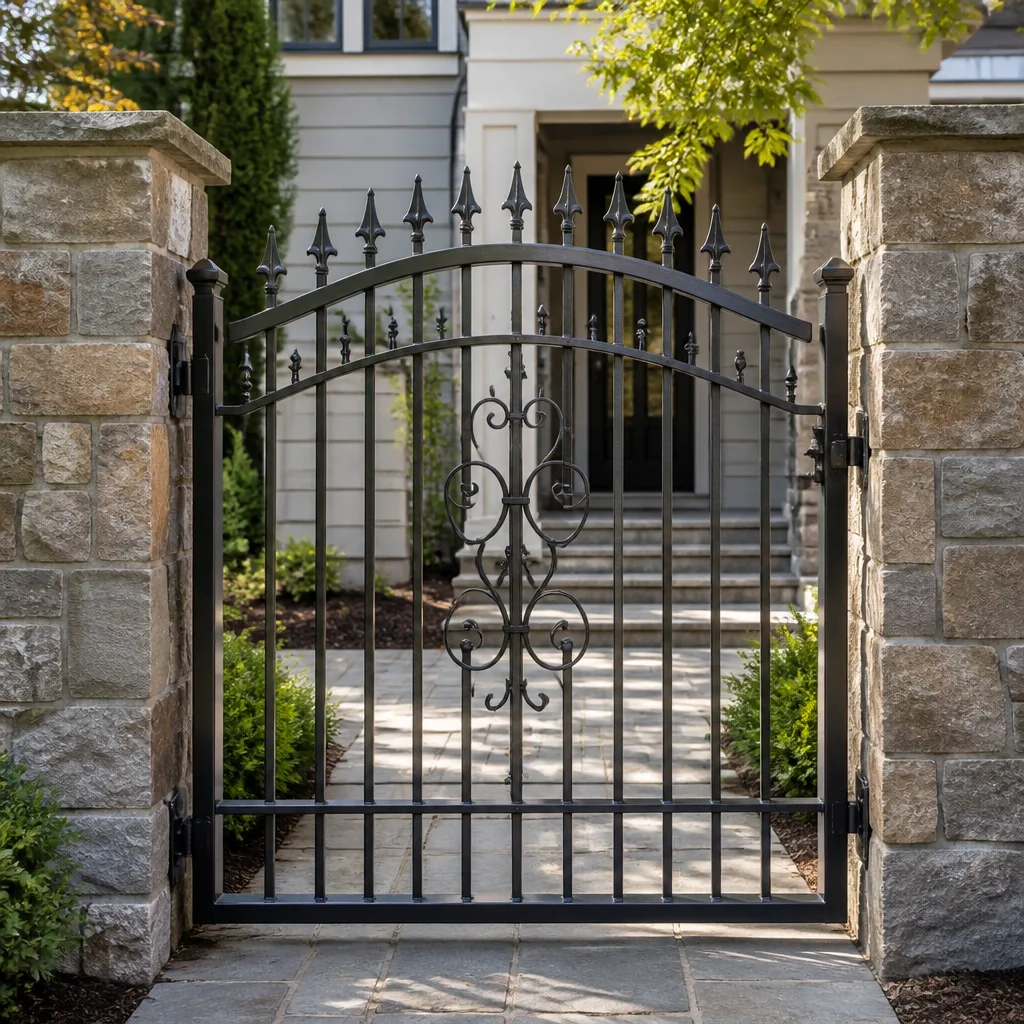 Wrought iron
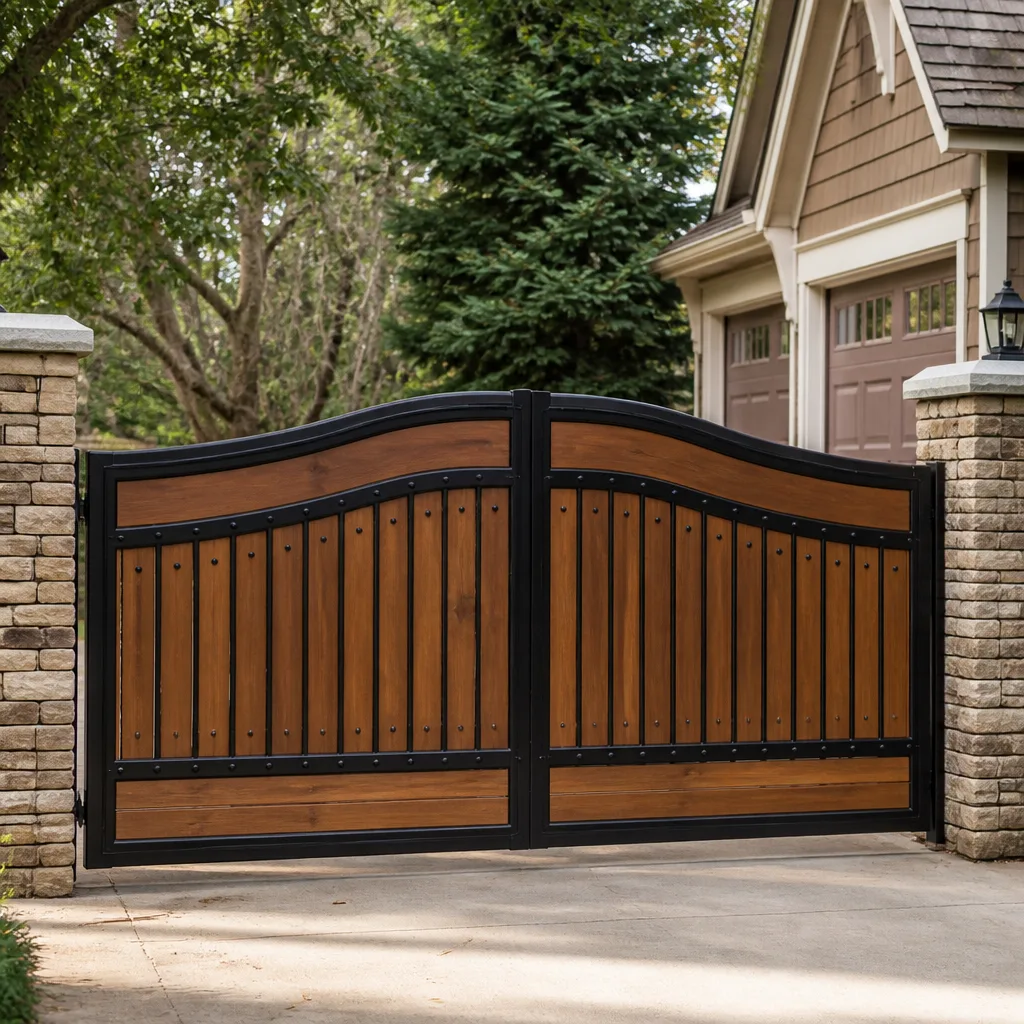 Wood & steel frame
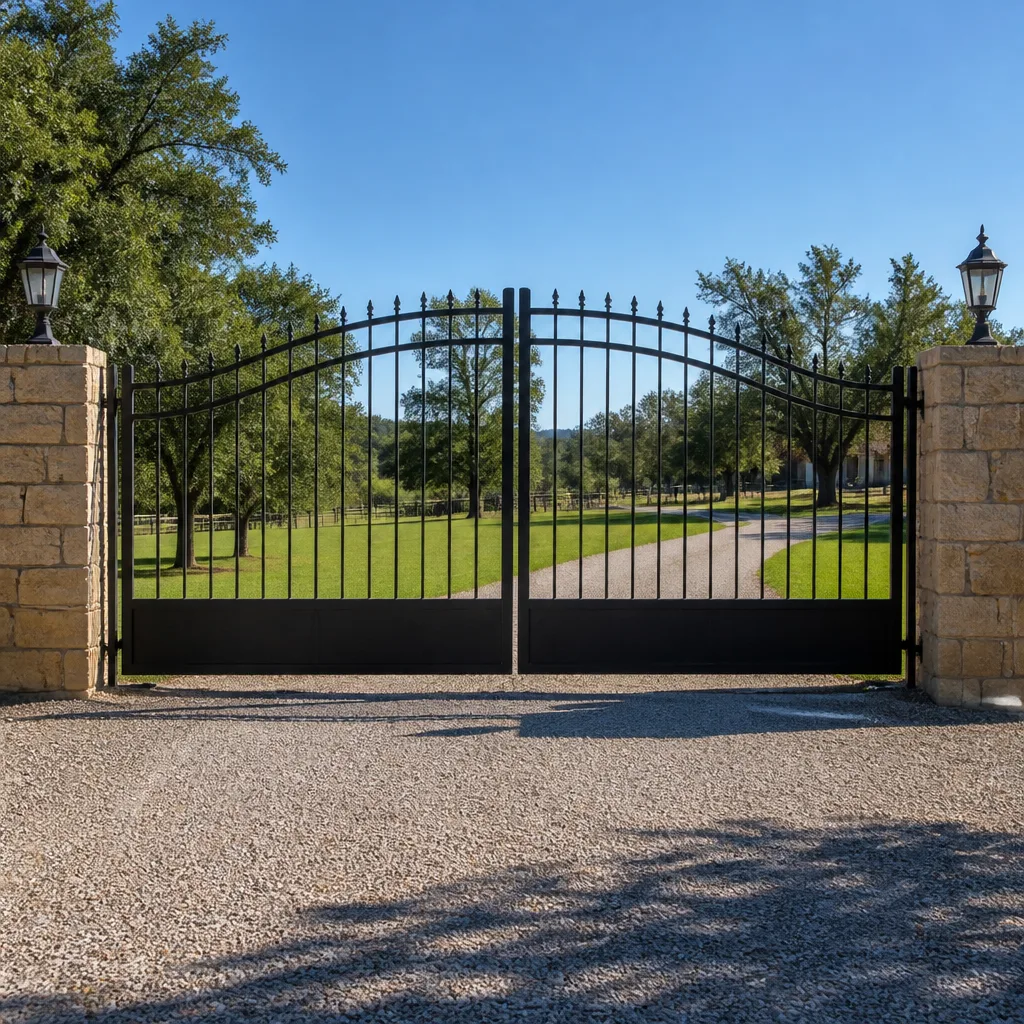 Farm & ranch
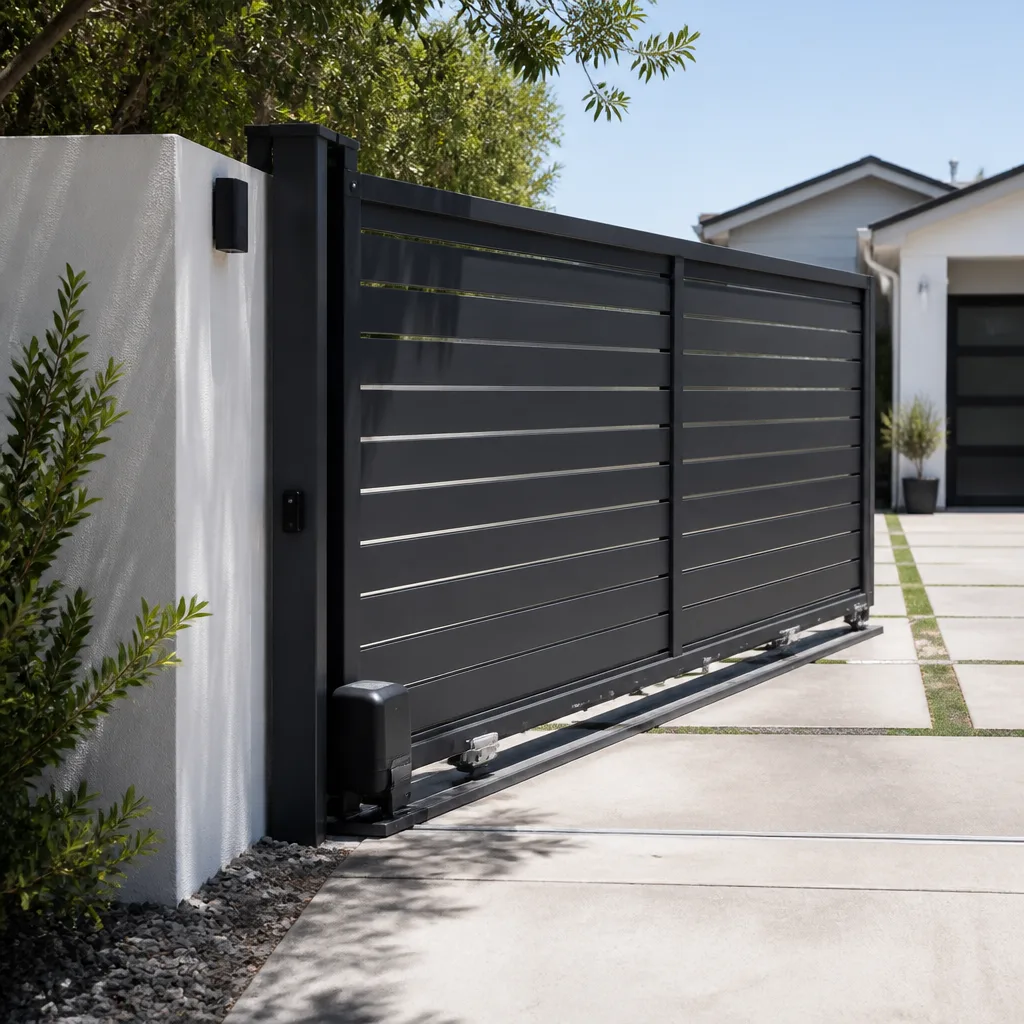 Sliding driveway gates
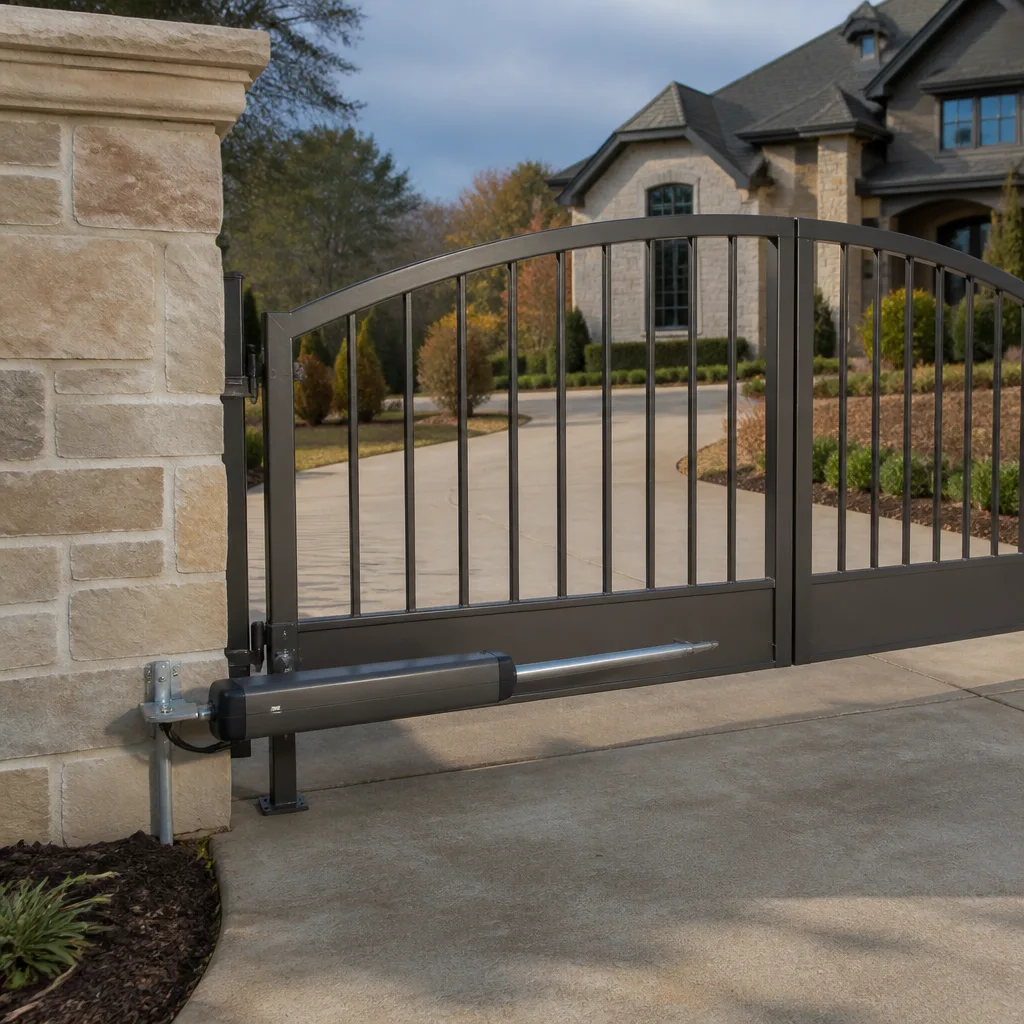 LiftMaster operators
Free on-site gate assessment - hinges, posts, and your LiftMaster or Nice gate operator checked before anything is quoted
The assessment is free and the quote is the invoice.
Get your free estimateGate Repair Permits, Codes & Inspections in CA: What You Need to Know
Here’s a stat that should make California homeowners pause: a 2024 survey by the California Association of Realtors found that nearly one in five home sales in the state hit a delay because of unpermitted work discovered during escrow. Gates are a quiet offender. The reason is simple. Most gate repairs are genuinely exempt from permits. But a meaningful slice of them are not, and the contractor who says “nobody pulls a permit for that” is not the one sitting across from a title company attorney three years later. This guide-along with our Gate Repair Warning Signs: A Long Beach Homeowner’s Reference Guide-explains exactly where that line sits, how Long Beach enforces it, and what unpermitted gate work actually costs you when the bill finally arrives.
Styles & brands we work with
Quick Answer
Replacing a gate motor, changing the swing arc, relocating a gate post, or adding an access control system in California usually triggers permit and inspection requirements because these count as alterations or new installations under the California Building Code, not repairs. A simple like-for-like motor swap or hinge replacement typically does not. In Long Beach, gate permits run through the city’s online permit portal, and automatic gates face an additional UL 325 entrapment-protection inspection that many homeowners never hear about until the inspector shows up.
Table of Contents
- Repair vs. Alteration: The Exact Code Threshold
- What Actually Counts as a Repair in California
- What Triggers a Permit: The Alteration List
- The Long Beach Permit Process for Gate Work
- UL 325 and Entrapment Protection: What Inspectors Flag
- HOA and CC&R Rules: When the Gate Is Not Just Yours
- What Happens When Unpermitted Gate Work Surfaces
- Common Mistakes to Avoid
- When to Call a Professional
- Frequently Asked Questions
- The Bottom Line
Repair vs. Alteration: The Exact Code Threshold
The California Building Code, specifically Chapter 1 of the California Residential Code, draws a line between a repair and an alteration, and that line is not where most contractors put it. A repair restores an existing gate, opener, or component to its original condition using like-for-like parts. No permit. An alteration changes the gate’s size, weight, swing direction, power source, or control system. Permit required, along with inspection.
Here is the practical version. If your gate motor fails and a technician unbolts the old one and bolts on a new FAAC or Linear unit with the same voltage and a similar weight rating, that is a repair. If that same technician suggests a bigger motor, a gate extension, a new pedestrian gate cut into the existing leaf, or a shift from a slide to a swing configuration, that is an alteration. The code does not care whether the work is “better.” It cares whether the work changes the engineered condition of the original installation. In our experience, a surprising number of Long Beach homeowners discover this distinction during a refinance appraisal, not during a permit inspection.
There is also a third category worth knowing: a change of occupancy or use. If a single-family gate becomes the access point for a home day care, a short-term rental, or any commercial activity, the gate is reclassified and may need to meet current code for its new occupancy type. That trigger catches more people than the physical work trigger. Begin with the repair-or-alteration question, then ask whether the property’s use changed. Both answers matter.
What Actually Counts as a Repair in California
For a repair, the California Residential Code is surprisingly specific. The work must restore the gate assembly to its prior condition. That means the gate leaf, hinges, motor, operator arm, sensor, receiver, or keypad gets replaced with an equivalent component. The key phrase is “equivalent.” If the replacement part changes the gate’s weight, balance, speed, or force, the work drifts into alteration territory.
Everyday repair examples that do not require a permit in Long Beach:
- Replacing a failed LiftMaster or Viking gate motor with a same or lower horsepower unit with matching voltage.
- Swapping a broken hinge, roller, or track component for the same size and type.
- Installing a new battery or replacing a dead remote transmitter.
- Repairing a damaged gate leaf by welding a crack, straightening a bent rail, or replacing rotted wood sections on an existing wooden gate.
- Replacing a damaged safety sensor or photo-eye with a compatible unit.
- Reconnecting wires, tightening mounting bolts, and adjusting the operator’s opening and closing speed back to its original range.
One nuance in Long Beach that trips people up: the city considers the replacement of a gate plus its motor together as a project that may need review if the gate’s dimensions or weight change. Replacing a wooden gate with a steel one, even if the opening width is identical, changes the weight load on the motor and the footing. That is an alteration under the code because the concrete pier and motor arm were never engineered for the new load. A simple call to the city’s building department before the work starts will settle the question. In our experience, about 30 minutes on the phone saves an average of a few thousand dollars downstream.
What Triggers a Permit: The Alteration List
This is the list that matters. If any of the following apply to a gate project in Long Beach, you need a building permit from the city’s Development Services Department and an inspection after the work is complete:
- Changing the swing arc or direction. A gate that swung inward and now swings outward over the sidewalk. A gate that slid along the fence line and now swings on hinges. Both are alterations.
- Moving a gate post or adding a second leaf. Relocating the hinge post, adding a taller concrete pier, or splitting a single drive gate into a double gate changes the structural load path.
- Installing a new automatic gate where a manual gate existed. This is the big one. Any motorization of a previously manual gate is a new installation for code purposes, regardless of the size of the motor or the brand, whether BFT, FAAC, or another.
- Replacing a manual gate with a gate of different material or weight. Wood to steel. Aluminum to wrought iron. Even a heavier wood species.
- Adding an access control system. A keypad, telephone entry system, card reader, or vehicle detector loop cut into the driveway. These systems involve low-voltage wiring, concrete cutting, and sometimes a new power circuit, all of which need permit review.
- Extending the gate height or width. Any dimensional change to the gate leaf itself.
- Adding a pedestrian gate where none existed. Cutting a walk-through opening into an existing gate or fence assembly changes the structural frame and usually requires a separate pedestrian gate permit.
Long Beach enforces these through its online permitting portal. The good news is the application is straightforward. The bad news is the inspector will check the gate’s force settings, the sensor placement, and the presence of the required warning placards, all of which lead to the UL 325 requirements covered in the next section. Homeowners who handle the permit themselves and later call us for a repair sometimes learn their original installation never had compliant photo-eyes. It is a fixable problem, but better to know before the inspector arrives than after.
The Long Beach Permit Process for Gate Work
Long Beach operates its building permits through the city’s online Citizen Access portal. Gate work falls under residential accessory structures and site work, and the typical pathway for a homeowner looks like this:
- Confirm the scope. Call the Long Beach Development Services Department or submit a prescreen question online. Describe the work in one or two sentences: “Replacing a manual wooden driveway gate with an automatic steel gate.” They will tell you whether a permit is required. This step is free.
- Submit the application. For a standard automatic gate, you will file a building permit application with a site plan showing the gate’s location, set backs, and swing direction. A gate that swings over the public right-of-way on a narrow Long Beach lot often triggers an additional planning review.
- Pay the fee. Residential gate permits in Long Beach typically run between $220 and $480 depending on the value of the gate and the scope of the electrical work. Electrical work for a gate motor generally adds a separate electrical permit fee, often in the $150 to $300 range.
- Schedule the inspection. After installation, an inspector visits to check the gate’s operation, entrapment protection, and compliance with the California Electrical Code for the power run. Inspections in Long Beach are typically scheduled within 3 to 10 business days.
- Receive final sign-off. The permit is closed and the work is officially on record. Keep that record. You will need it during escrow.
The full timeline for a straightforward automatic gate installation in Long Beach, from application to final inspection, is usually two to five weeks, with most of that time spent waiting for inspection scheduling rather than plan review. For a repair that does not require a permit, none of this applies. You call a gate repair company, the work is done, and there is nothing to file. The challenge for homeowners is knowing which lane they are in before the work starts. For detailed guidance on what makes a specific repair an alteration, see our page on Electric Gate Repair in Long Beach. And for the mechanical side of what goes wrong with gate motors in our climate, see Gate Motor Repair in Long Beach.
UL 325 and Entrapment Protection: What Inspectors Flag
UL 325 is a national safety standard for automatic gate operators, and California inspectors enforce it on every new automatic gate installation and every alteration that involves replacing an operator. The core requirement is this: a powered gate must not be able to crush, pin, or drag a person who gets caught in its path. That sounds obvious. The implementation is specific. Every automatic gate operator installed in a residential setting must have at least two independent entrapment protection devices, and the primary device must be a monitored photo-eye or an edge sensor that reverses the gate when the beam is broken or pressure is applied.
Long Beach inspectors commonly check the following on automatic gate installations:
- Photo-eye placement at the correct height, typically 18 to 24 inches above grade, so a small child or a pet breaks the beam.
- Gate force settings that reverse the gate when it encounters an obstruction during closing.
- The presence of the required safety placards, including the pedestrian traffic warning and the emergency release instructions.
- A working manual release that allows the gate to be pushed open by hand when the power fails, a real concern in Long Beach where coastal winds and storm surges cause periodic outages in neighborhoods like Naples and Belmont Shore.
- Separation distances on pedestrian gates adjacent to an automobile gate, to prevent a person from being trapped between the two moving panels.
The practical consequence for homeowners is that retrofitting an older gate operator to a current UL 325 compliant setup sometimes costs more than the motor itself. A BFT or FAAC operator that did not include photo-eyes at the original install will need them added. The inspector will fail the installation without them. This is exactly the kind of thing a permit inspection catches before it becomes a liability. If you are buying a home in Long Beach with an existing automatic gate, ask for the permit record and the inspection sign-off. If the seller cannot produce them, budget for a compliance upgrade.
HOA and CC&R Rules: When the Gate Is Not Just Yours
City code is the floor, not the ceiling. In Long Beach, neighborhoods like Park Estates, The Marina, and many of the gated communities in East Long Beach operate under recorded CC&Rs that impose stricter rules on gates than the city does. An HOA architectural committee can deny a gate alteration that the city would happily permit. And they can do it for reasons that have nothing to do with safety: uniformity, height limits, material restrictions, and even color palettes.
This layered authority creates a trap for homeowners. A contractor who pulls the city permit and finishes the work can still leave the homeowner in violation of their CC&Rs if the HOA was never consulted. The HOA can require the gate to be modified or removed at the homeowner’s expense. Aesthetic fines can accrue monthly until the gate complies. In some Long Beach HOAs, those fines are attached to the property, not just the owner, so they come due at sale.
Before any gate alteration, check three documents: the city’s permit requirements, your HOA’s architectural guidelines, and your property’s recorded CC&Rs. These are separate approvals. A written approval from the HOA architectural committee is not optional, and it is not the same as a city permit. The reverse is also true. The city does not enforce CC&Rs, and the HOA does not enforce the California Building Code. You need both. Homeowners in Long Beach who do this homework in the right order, city first then HOA, rarely hit surprises. Those who skip the HOA step are the ones we hear from after the violation letter arrives. This is a topic we cover in greater depth in our general Gate Repair in Long Beach guide.
What Happens When Unpermitted Gate Work Surfaces
This is the section most guides skip, and it is the section that matters most. Unpermitted gate work surfaces in three predictable places: a home sale, a homeowners insurance claim, and a city inspection triggered by something else entirely. In all three cases, the homeowner bears the consequence, not the contractor who did the work.
Home sale and escrow. California’s standard residential purchase agreement requires sellers to disclose all unpermitted work. Most homeowners do not knowingly lie. The problem is they were never told the work needed a permit. When the buyer’s inspector or appraiser flags the motorized gate, the deal stalls. The buyer asks for permits. There are none. The seller either reduces the price, retroactively permits the work, or both. Retroactive permitting in Long Beach is not a rubber stamp. The inspector will hold the existing installation to current code, which often means adding UL 325 compliance, upgrading the power run, and sometimes replacing the operator entirely.
Insurance claims. A gate that fails and damages a vehicle, or a gate motor that shorts and starts a small fire, can trigger an insurance investigation. The adjuster asks for the permit record. If the gate alteration was unpermitted, the insurer may deny the claim or reduce the payout. Homeowners rarely consider that a $900 unpermitted motor replacement can void $15,000 in coverage on a related claim. It is a hard conversation we have seen happen more often than any contractor would admit.
City inspection triggers. Long Beach requires a city inspection for certain other improvements, like a new pool, an ADU, or a major electrical panel upgrade. When the inspector is on site for that permit, they can flag an obviously new automatic gate that has no permit record. That opens a separate compliance case. The homeowner then pays for the permit, the inspection, and any corrective work, plus the original work was already paid for once.
The math is simple. Pulling the permit up front costs a few hundred dollars and some schedule patience. Discovering the missing permit later costs the permit fee plus compliance upgrades plus whatever the escrow or claim negotiation extracts. In Long Beach, we tell homeowners the same thing every time: the cheapest day to pull a permit was the day the work was done. The second cheapest is today. The most expensive is the day an escrow officer finds the gap.
Common Mistakes to Avoid
- Trusting the “nobody pulls permits for gates” line. Contractors say this because permits add time and paperwork to their job. The contractor walks away. The homeowner carries the unpermitted work forever. Insist on a written answer about permit requirements before work starts.
- Assuming a like-for-like motor swap never needs a permit. Usually true, but not when the new motor’s horsepower is significantly higher, the voltage changes, or the operator requires a new dedicated circuit. A heavier-duty Viking on a circuit sized for a smaller Linear operator is an alteration, not a repair.
- Skipping the HOA review because the city approved the permit. The city and the HOA are different authorities with different rules. In Long Beach communities like Park Estates, the HOA process can take longer than the city permit. Start early.
- Ignoring UL 325 compliance on a gate you already own. Even if your gate was installed before the current standards, once you alter it, the inspector can require the entrapment protection to meet current code. That means photo-eyes, a compliant edge sensor, and the right placards. Budget for it.
- Doing the work first and asking for forgiveness later. Retroactive permits in Long Beach are more expensive and more invasive than the original permit would have been. The inspector has no reason to be lenient, and the code requirements have sometimes gotten stricter since the work was done.
- Assuming a manual gate replacement never needs a permit. A manual gate that changes the weight or dimensions of the original gate is an alteration. Replacing a rotted wood gate with a heavier steel gate changes the load on the hinge posts and the footings. The city can require a structural review for this.
When to Call a Professional
Some gate work is genuinely DIY-friendly. Replacing a remote battery, tightening a loose hinge, or re-securing a sagging gate with new bolts are all reasonable weekend tasks. But once the work touches the motor, the power supply, the gate’s weight balance, or the safety sensors, the risk profile changes. High-tension springs on a cantilever slide gate can release with enough force to cause serious injury. Gate motors operate on line voltage and require correct grounding and circuit protection. A photo-eye that is misaligned by half an inch can fail to detect a child. These are not tasks to learn on. If the work requires a permit, a licensed professional should be doing it anyway, because the permit lists the responsible party. If you are in Long Beach and unsure whether your project needs a permit, our Gate Repair services include free estimates, and we will tell you honestly whether the job is a repair or an alteration before you spend a dollar. Call (562) 512-6788.
Frequently Asked Questions
Replacing a gate motor with a like-for-like unit of the same voltage and similar horsepower does not require a permit in most California cities, including Long Beach. If the new motor changes the gate’s weight rating, voltage, or requires a new electrical circuit, it becomes an alteration and a permit is required.
Residential gate permits in Long Beach typically cost between $220 and $480, with a separate electrical permit for the motor run usually adding $150 to $300. The total for a standard automatic gate installation is commonly in the $400 to $800 range for permit fees alone. For How to Hire a Gate Repair Contractor in Long Beach: A Step-by-Step Guide, or to confirm the right permit scope before you file, call (562) 512-6788.
You can sell the home, but you must disclose the unpermitted work. Buyers frequently request a retroactive permit or a price reduction to cover the compliance cost. Retrofitting an older gate to current UL 325 and California Building Code standards is often more expensive than the original permit would have been.
UL 325 is the national safety standard for automatic gate operators, requiring at least two independent entrapment protection devices and proper warning placards. Any new automatic gate installation or operator replacement in California must comply, and Long Beach inspectors check for photo-eyes, force settings, and the manual release on every permitted gate inspection.
For a like-for-like repair that does not change the gate’s appearance, most HOAs do not require architectural review. For any alteration, including a motorized upgrade, a material change, or a new pedestrian gate, Long Beach HOAs like Park Estates and The Marina typically require written approval before work begins, even if the city permit is approved.
The homeowner is legally responsible for the unpermitted work, not the contractor. The permit obligation attaches to the property. That means the city can cite you, the buyer can demand compliance, and your insurer can deny a related claim, regardless of who performed the work or promised it did not require a permit.
The Bottom Line
A gate repair in California is simple until it is not. The repair-versus-alteration line is specific, and once crossed, the permit requirement attaches to the property, not the project. Long Beach homeowners who check before the work starts, pull the permit when the code says so, and keep the inspection sign-off in a folder will never be the ones explaining a missing permit to an escrow officer. Those who skip the step usually pay more, once, later, under pressure. The permit is not the expensive part of gate work. The discovery is. If you are in Long Beach and need straight answers about your gate, our team is one call away at (562) 512-6788. We have been doing this since 2008, and we built our reputation on telling homeowners the truth before the work starts. Start with the Warden Gate Repair Long Beach home page to see what we do and how we work.
Written by Cole Rafferty, Owner at Warden Gate Repair Long Beach, serving Long Beach since 2008. See more guides & resources.
See the difference
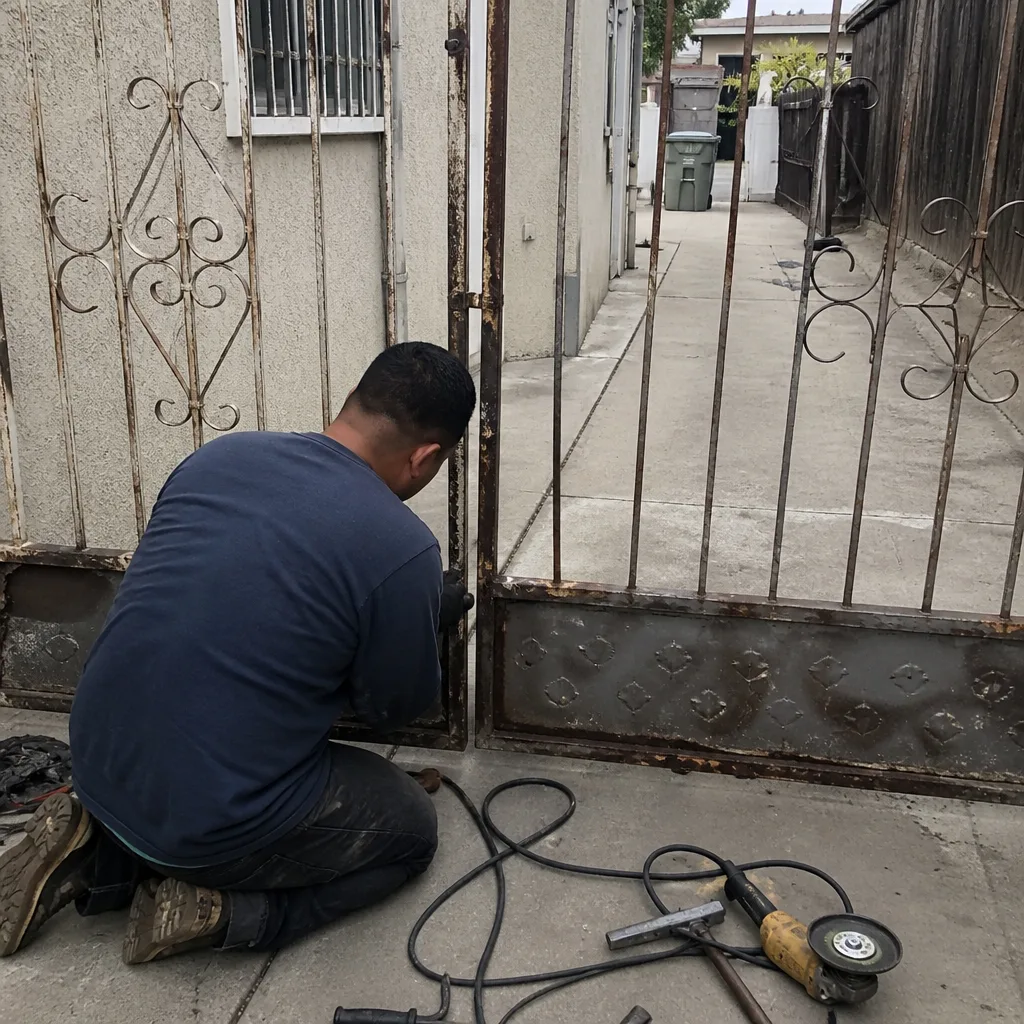 Before
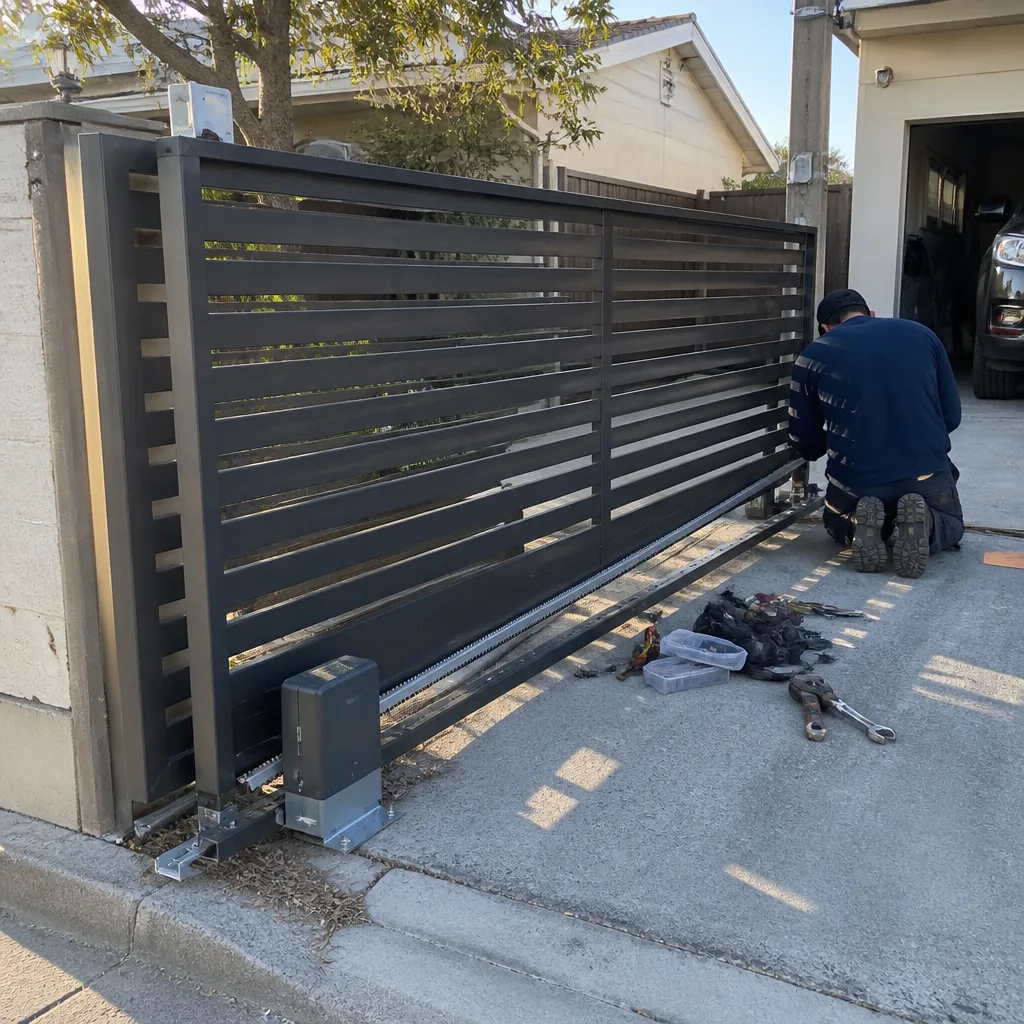 After
After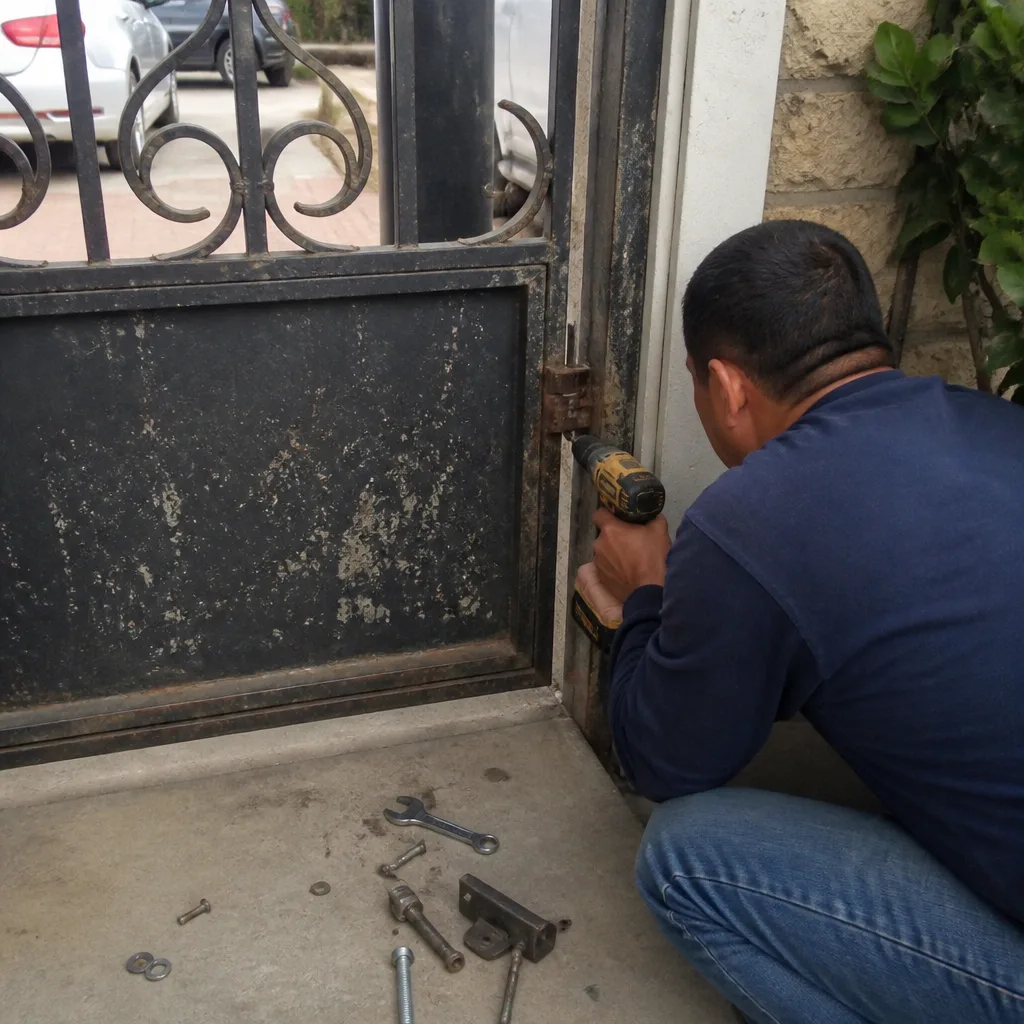 Before
 After
After Before
 After
After