
Last updated October 16, 2026
 Wrought iron
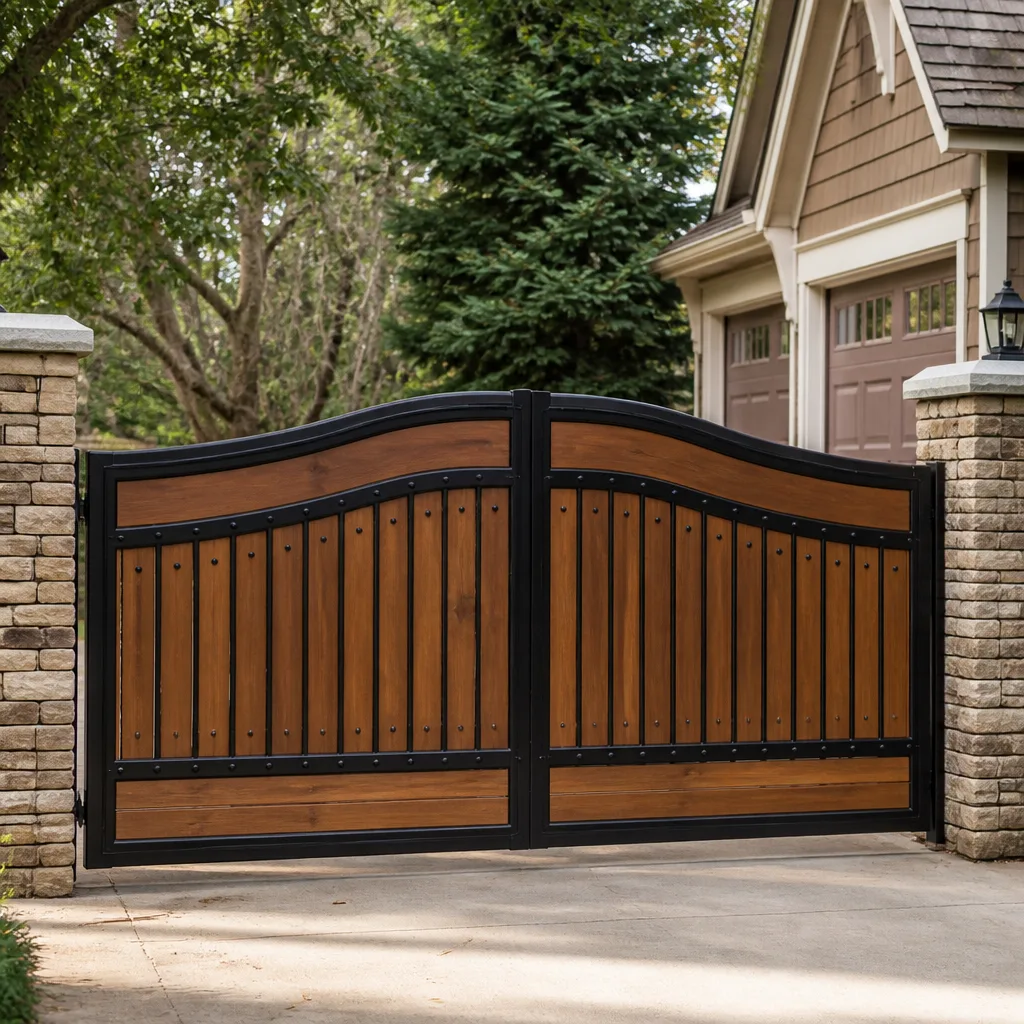 Wood & steel frame
 Farm & ranch
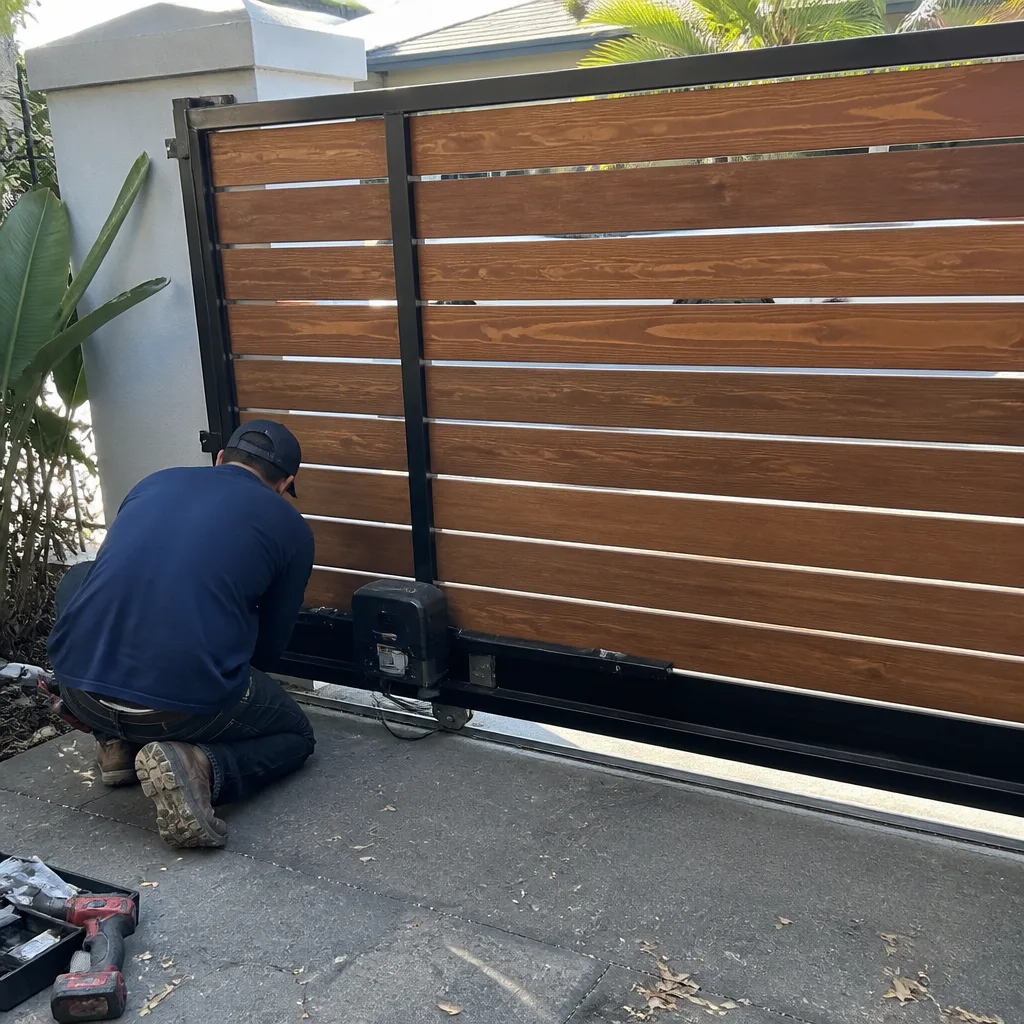
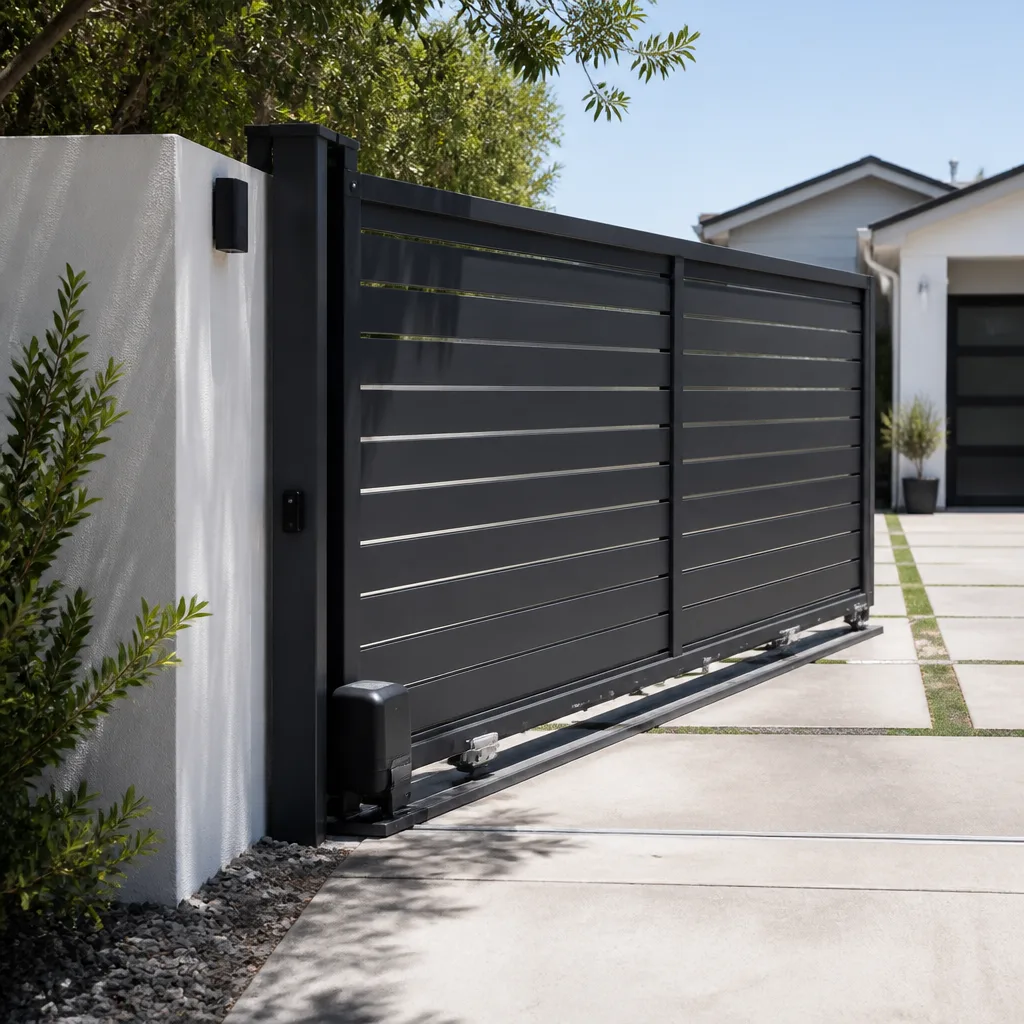 Sliding driveway gates
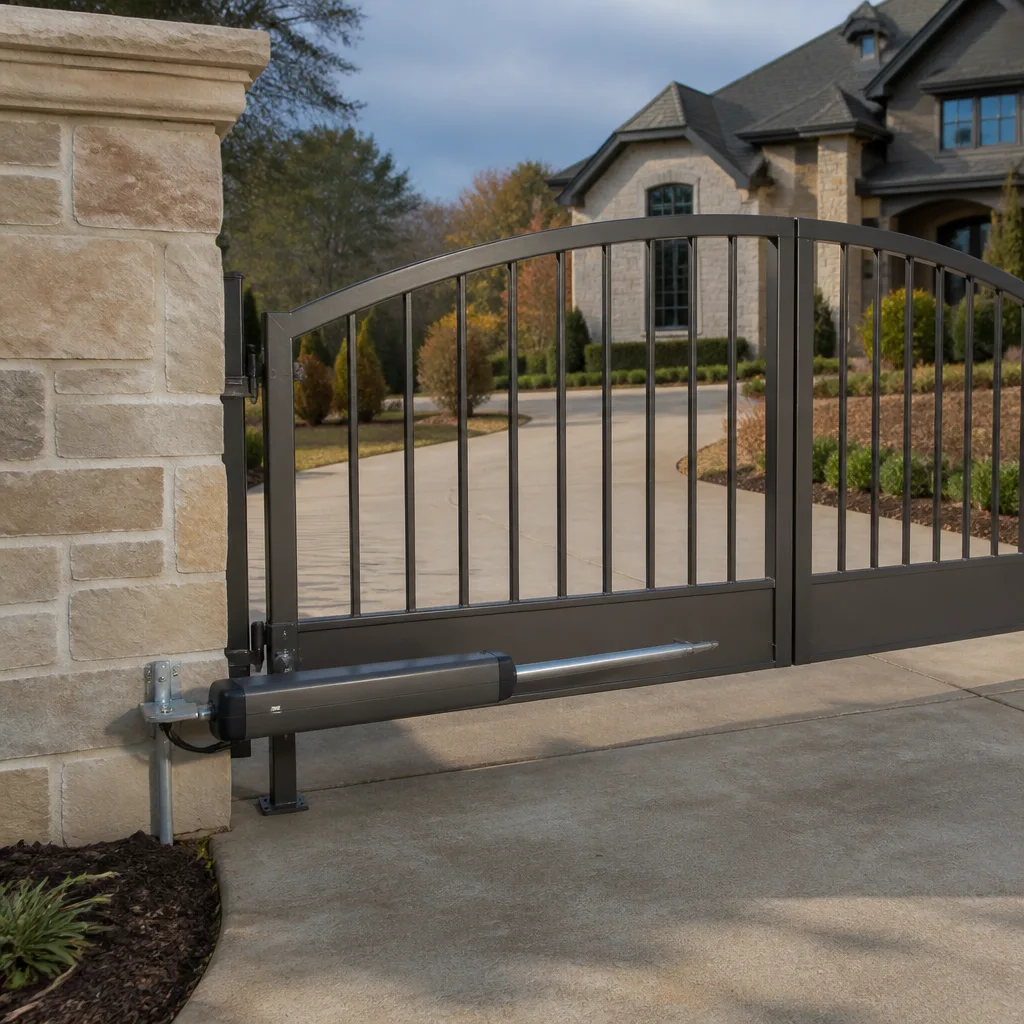 LiftMaster operators
Free on-site gate assessment - hinges, posts, and your LiftMaster or Nice gate operator checked before anything is quoted
The assessment is free and the quote is the invoice.
Get your free estimateGate Repair Maintenance Checklist for Long Beach Homeowners
A lubricant that works perfectly in Pasadena can accelerate corrosion on a Long Beach coastal gate within six weeks. Most maintenance guides are written for dry, inland climates and silently fail homeowners who live within a mile of the water. The marine layer in Long Beach deposits salt on metal surfaces every single night, and the city’s expansive clay soil shifts with moisture in ways that stress gate posts, hinges, and motors differently than almost anywhere else in Los Angeles County. This checklist is built around those two specific stressors. You’ll learn what to inspect each month, which products actually protect against salt air versus which ones make things worse, and the simple documentation habit that protects your warranty claim down the road.
Styles & brands we work with
Quick Answer
A proper Long Beach gate maintenance routine comes down to this: inspect hinges, posts, and the gate motor once a month for salt corrosion and clay-soil movement, lubricate with a marine-grade dry lubricant every 60 days, test your battery backup and loop detector quarterly, and document everything with dated photos. Expect to spend 30 to 45 minutes per month on basic upkeep. Most Long Beach gate failures we see are the result of skipped inspections, not worn-out equipment. For a detailed walkthrough of every task, keep reading, or call us at (562) 512-6788 if you spot something that looks wrong.
Table of Contents
- Why Long Beach Conditions Require a Different Maintenance Schedule
- The Monthly Inspection Walkthrough (15 Minutes)
- Lubrication on the Coast: What to Use and What to Avoid
- Clay Soil and Gate Posts: The 10-Minute Monthly Check Nobody Teaches
- Battery Backup and Loop Detector Tests for Long Beach Power Fluctuations
- Month-by-Month Calendar for Long Beach’s Actual Weather Pattern
- Documenting Maintenance for Warranties and Future Home Inspections
- Common Mistakes to Avoid
- When to Call a Professional
- Frequently Asked Questions
- The Bottom Line
Why Long Beach Conditions Require a Different Maintenance Schedule
Long Beach sits directly against the Pacific, and the marine layer that rolls in most evenings carries microscopic salt particles. When that salt settles on steel hinges, aluminum tracks, and electrical connections, it accelerates oxidation at a rate that inland homeowners never experience. A gate that might go five years between hinge replacements in Burbank may need new hinges in three years on Ocean Boulevard or in Belmont Shore. We see this pattern across every coastal neighborhood in Long Beach, from Naples Island down through the Peninsula.
The second Long Beach-specific factor is the soil. Much of the city sits on expansive clay that swells when wet and shrinks when dry. This movement happens slowly and continuously, and your gate is one of the first places it shows up. A concrete-encased post that appeared perfectly plumb in spring can shift a quarter inch by late summer as the clay dries and contracts. That quarter inch is enough to throw off the gate’s travel path, strain the motor, and wear down the wheels unevenly.
This means a generic national maintenance schedule, the kind written for Phoenix or Dallas, is dangerously optimistic for Long Beach homeowners. You need shorter inspection intervals and specific products that resist salt adhesion. The good news is that once you know what to look for, the routine is simple and fast. Our Gate Repair in Long Beach team has put together the following checklist based on seventeen years of local service calls, and every item is something we check on our own customers’ gates.
The Monthly Inspection Walkthrough (15 Minutes)
Once a month, walk through this sequence while your gate does a full open-and-close cycle. These 15 minutes are the single highest-return maintenance habit you can build, because they catch the small signs of salt damage and soil movement before they become repair bills.
Step 1: Watch the gate travel.
Stand where you can see the full path of the gate and open it, then close it. Listen for any change in the motor’s pitch, any hesitation, or any scraping sound. A gate that used to move smoothly and now stutters is almost always telling you something about its track, wheels, or motor load.
Step 2: Check the gap at the bottom.
Look at the space between the bottom of the gate and the ground. It should be consistent across the full width. If one end sits lower, the gate has sagged, which on Long Beach clay usually means post movement rather than a hinge problem.
Step 3: Inspect hinges and brackets for white or green crust.
Salt corrosion shows up first as a white powdery film on aluminum or a green crust on brass and copper components. Run a finger along the hinge pin. If you feel roughness or see flakes, the hinge needs cleaning and inspection. Do not ignore this. A corroded hinge under load can snap, and the gate falls. That is a serious safety hazard, not a cosmetic issue.
Step 4: Look at the wheels and track.
Slide gates run on wheels inside or on top of a track. Check for debris, salt buildup, or uneven wear. In neighborhoods like Los Altos or Bixby Knolls, wind-blown sand mixes with morning condensation to form a gritty paste that grinds down wheel bearings faster than you’d expect.
Step 5: Check the motor housing and wiring.
Look for any discoloration, rust spots, or moisture inside the motor cover. Long Beach’s damp mornings mean condensation can form inside enclosures that aren’t sealed well. If you see signs of water, do not open the motor or touch the wiring. Call a Gate Motor Repair in Long Beach specialist. Gate motors connect to line voltage, and moisture plus electricity is not a DIY situation.
Lubrication on the Coast: What to Use and What to Avoid
Here is the single biggest mistake we see on coastal gates in Long Beach: homeowners using a heavy, wet lubricant like WD-40 or axle grease on their gate hinges. These products are designed for different environments. In salt air, a wet lubricant acts like a magnet. The salt particles in the marine layer stick to the oil film, and within weeks you have a grinding paste that accelerates hinge wear dramatically.
For Long Beach gates, use a dry, marine-grade lubricant. Look for products specifically labeled for saltwater or marine environments. A dry PTFE or ceramic-based spray leaves a protective film that repels water and salt without staying tacky. Brands like Boeshield T-9, which was developed for aircraft and marine use, or a dry moly spray work well on gate hinges and track wheels.
Here is the every-60-days lubrication routine that works for the coastal strip from Downtown Long Beach to Seal Beach:
- Hinge pins: apply dry lubricant sparingly to the pin, then wipe off any excess. You want a film, not a puddle.
- Track wheels: spray the axle, not the wheel surface. Lubricating the wheel tread makes it slip, which confuses the motor’s travel sensors.
- Gate track: do not lubricate the track itself. Clean it with a dry brush and wipe it with a damp cloth if necessary. A greasy track collects sand.
- Chain or belt drives: if your gate uses a chain drive, check the manufacturer’s recommendation. Most modern chain drives from brands like LiftMaster or DoorKing use sealed bearings and should not be oiled.
If any hinge shows significant corrosion pitting even after cleaning, do not keep applying lubricant and hoping for the best. That hinge is structurally compromised. A gate repair in Long Beach call is the right move before it fails at the worst possible time.
Clay Soil and Gate Posts: The 10-Minute Monthly Check Nobody Teaches
Almost every Long Beach maintenance guide mentions cleaning and lubricating. Almost none of them teach you how to check your gate posts for clay soil movement, and that is a serious gap, because post movement is the root cause of most misaligned gates in this city. Here is why: Long Beach clay expands significantly when wet and shrinks when dry. Your gate posts are set in concrete, but the concrete footings sit in that moving clay. Over a year of wet winters and dry summers, the posts shift.
The check takes ten minutes and requires no tools beyond a tape measure and a level.
- Measure the gap at the latch end. With the gate closed, measure the distance from the bottom of the gate to the driveway at both the hinge end and the latch end. Write both numbers down. If they differ by more than half an inch, something has shifted.
- Place a level on the gate’s top rail. Check it both when open and closed. A gate that reads level and then reads off-level after a few cycles is twisting on its hinges, which almost always traces back to post movement.
- Examine the gap between the post and the surrounding concrete or soil. Look for a widening crack, a gap that widens in summer and narrows after rain, or soil pulling away from the footing. In Naples and Belmont Shore, where the water table is high, you may also see the posts settle slightly after heavy winter rain.
- Check the post’s verticality with the level. Hold the level against the post in two directions. Out of plumb by more than a quarter inch per foot is a red flag.
If you find movement, do not try to shim the gate or adjust the hinges to compensate. That works temporarily and then fails worse. The correct fix is resetting the post with a larger footing or adding stabilization, which a gate specialist should assess. Our Warden Gate Repair Long Beach home team regularly addresses post stabilization on coastal properties and can tell you in one visit what the right approach is.
Battery Backup and Loop Detector Tests for Long Beach Power Fluctuations
Long Beach has a documented history of power fluctuations, particularly during Santa Ana wind events and the summer heat spikes when the grid strains. For automatic gates, a power flicker is more than an inconvenience. It can scramble the motor’s limit settings, which control where the gate stops at the end of its travel. A gate that previously stopped exactly at the closed post may suddenly stop three inches short or slam into the stop harder than it should.
If your gate has a battery backup, test it every three months. Here is the quarterly procedure:
- Locate the battery backup unit. It is usually a box mounted near the motor or inside the control cabinet.
- Check the indicator light. Most units show green for healthy, amber for charging, and red for replace. Consult your specific unit’s manual for guidance.
- Simulate an outage by unplugging the main power to the motor, then cycle the gate once. It should operate at reduced speed but complete the full cycle.
- Reconnect the main power. If the gate does not cycle on battery, the battery or the charging circuit needs attention.
Do not attempt to test a battery backup by touching exposed terminals or bypassing the charger. Gate systems mix low-voltage controls with line-voltage power, and the wrong contact is dangerous. If you are unsure, a electric gate repair in Long Beach call is the responsible choice.
Loop detectors, the sensors buried in the driveway that tell the gate to open for exiting vehicles, are also worth a quarterly test. Drive onto the loop and stop. The gate should open within a second or two. Then back off and wait for the gate to close. If the gate opens slowly, fails to open, or opens for phantom cars when no one is there, the loop sensitivity may need adjustment. On Long Beach’s clay soil, loop detectors can also drift out of calibration as the ground shifts, which is why this test belongs on a quarterly schedule, not once a year.
Month-by-Month Calendar for Long Beach’s Actual Weather Pattern
Long Beach does not have four seasons in the way a national template assumes. We have a long dry stretch from roughly April through October, then a wetter, cooler period from November through March. The gate maintenance rhythm should follow that actual pattern, not a generic spring-summer-fall-winter schedule.
- January through March: This is the rainy season window. Check drainage around gate posts after every significant rain. Standing water near a post accelerates clay expansion and softens the soil around the footing. Reapply dry lubricant after rain events, since even dry film wears faster when it is continuously wetted.
- April through June: The clay begins to dry out and contract. This is when post movement first shows up. Run the monthly post check every two weeks during this period. Also clean the track thoroughly, as spring winds push sand and debris into Lakewood and East Long Beach yards and into gate tracks.
- July through September: Peak dry season. The marine layer is usually at its thinnest, but overnight condensation still forms on metal surfaces near the coast. Check hinges and electrical connections for early rust. Test the battery backup during this stretch, because heat waves bring grid strain and more frequent brownouts.
- October through December: Pre-rain preparation. Clean the track one more time, reapply dry lubricant, and verify that the gate’s weather stripping or bottom seal is intact. If you are going to schedule a professional inspection, November is a smart time to do it, before the wet season begins in earnest.
This calendar reflects how gates actually behave in Long Beach. A gate that passes inspection in August may show fresh rust in October when the marine layer thickens. Checking on a schedule that matches the local climate catches these shifts early.
Documenting Maintenance for Warranties and Future Home Inspections
Most gate manufacturers, including DoorKing, LiftMaster, Elite, and Mighty Mule, include language in their warranties requiring the owner to perform reasonable maintenance. If you ever need to file a warranty claim, the first thing the manufacturer asks for is proof of maintenance. Without it, the claim is often denied on the grounds of neglect, even if the failure was due to a manufacturing defect.
The simplest documentation system takes less than five minutes per month:
- Take one photo of the gate from the street side and one from the property side. Include the date in the file name or use a photo app that timestamps automatically.
- Take a close-up photo of each hinge and the motor housing. These are the parts most likely to fail and the ones the warranty claim will focus on.
- Keep a simple note in your phone or a notebook: date, what you checked, what you lubricated, and any anomalies you noticed.
- Save photos to a dedicated folder, not your general camera roll. Cloud storage works well because it survives phone replacements.
This documentation also protects you when you sell the home. A future Long Beach buyer or inspector will see a history of consistent care, which makes the gate a selling point instead of a negotiation weakness. And if you ever do call us for a repair, having that history helps our gate motor repair in Long Beach team diagnose the issue faster.
Common Mistakes to Avoid
- Using wet lubricants like WD-40 on hinges. In Pasadena this works fine. In Long Beach, the oil film traps salt from the marine layer and turns into a grinding paste within weeks. Use dry marine-grade lubricant or nothing.
- Lubricating the gate track itself. A greasy track attracts sand and dust, which then grinds between the wheel and the track surface. Clean tracks, do not grease them.
- Ignoring gate post movement for months. By the time a shifted post causes the gate to bind or the motor to burn out, the fix is far more expensive than early stabilization would have been. Check posts monthly, especially from April through June when the clay dries out.
- Failing to test the battery backup more than once a year. Long Beach power fluctuations happen year-round. A battery that tests fine in January may be dead by August. Quarterly tests catch failures early.
- Attempting motor or electrical repairs without cutting power. Gate motors carry line voltage. One wrong move inside the housing is a hospital visit or worse. If the issue is inside the motor or control board, call a professional.
- Not documenting anything. A denied warranty claim because there is no maintenance record is one of the most avoidable expenses in gate ownership. Five minutes of photos per month solves it.
- Using the gate as a play surface for kids. Climbing or swinging on the gate adds loads the hinges and posts were never designed for. It is dangerous for the child and damaging to the gate.
When to Call a Professional
There are situations where the right maintenance decision is to stop and pick up the phone. If you find a hinge with significant corrosion pitting or a visible crack, if the gate post has moved more than half an inch out of plumb, if the motor makes a grinding or buzzing sound it never made before, or if you see moisture or rust inside the motor housing, do not attempt a repair yourself. Tensioned springs, gate motors, and shifted posts carry risks that a homeowner should not take on without training. Warden Gate Repair Long Beach offers free estimates in Long Beach, so you can get a professional assessment without committing to anything. Call (562) 512-6788 if any monthly check turns up something you are not sure about. Our gate repair page has more detail on what a service visit covers.
Frequently Asked Questions
Lubricate hinges, axles, and moving metal parts every 60 days using a dry marine-grade lubricant, not a wet oil. The salt-laden marine air in Long Beach breaks down lubrication films faster than inland air, so a 60-day interval keeps protection consistent without overdoing it. If we get an extended rainy stretch, reapply after the rain stops. Call (562) 512-6788 if you need help choosing the right product for your gate.
Use a dry PTFE or ceramic-based marine-grade lubricant, such as Boeshield T-9 or a dry moly spray. Avoid WD-40, axle grease, and any wet oil product, because the oil film traps airborne salt from the Long Beach marine layer and turns into an abrasive paste that accelerates hinge wear. If your hinges already show heavy white corrosion, stop lubricating and call a professional for inspection.
Measure the gap under the gate at both ends with the gate closed. If the hinge-end gap and latch-end gap differ by more than half an inch, the post has shifted. You may also see widening cracks around the post base or soil pulling away from the footing, especially from April through June when the clay dries and contracts. A shifted post is not a DIY fix. Call (562) 512-6788 for a professional assessment.
Yes, if your area experiences power fluctuations or if you rely on the gate as a primary access and security point. Long Beach sees brownouts during heat waves and wind events, and a battery backup keeps your gate operational during outages. If you already have one, test it quarterly by unplugging the main power and cycling the gate once. If the gate does not move, the battery or charger needs service.
We provide factory-trained service on gate and opener equipment from LiftMaster, FAAC, BFT, Linear, Viking, Ghost Controls, DoorKing, Elite, and Mighty Mule. If your gate brand is outside that list, call us and we will tell you honestly whether we can service it or recommend someone who can. Our electric gate repair page has more on what each brand’s service typically involves.
A professional gate tune-up in Long Beach typically runs between $150 and $300 depending on the gate type and how many components need attention, and any necessary parts are quoted separately before any work begins. Warden Gate Repair gives every customer a written price before work starts, with no surprise line items at the end. Call (562) 512-6788 and we will give you an exact figure for your gate. Estimates are free.
The Bottom Line
A Long Beach gate is not like a gate in Pasadena or Irvine. Salt-laden air attacks the metal, and expansive clay soil shifts the foundation. The maintenance schedule has to match those local realities, not a generic national template. Inspect hinges, posts, and the motor once a month. Use dry marine lubricant every 60 days, never wet oil. Test the battery backup and loop detector quarterly. Document everything with photos, because a warranty claim without records is a claim that fails. If any part of this checklist turns up something you are unsure about, Warden Gate Repair Long Beach home is one call away at (562) 512-6788. We will send a named, photo-badged technician with a written quote before any work starts, so you know exactly who is coming and exactly what it costs.
Written by Cole Rafferty, Owner at Warden Gate Repair Long Beach, serving Long Beach since 2008.
See the difference
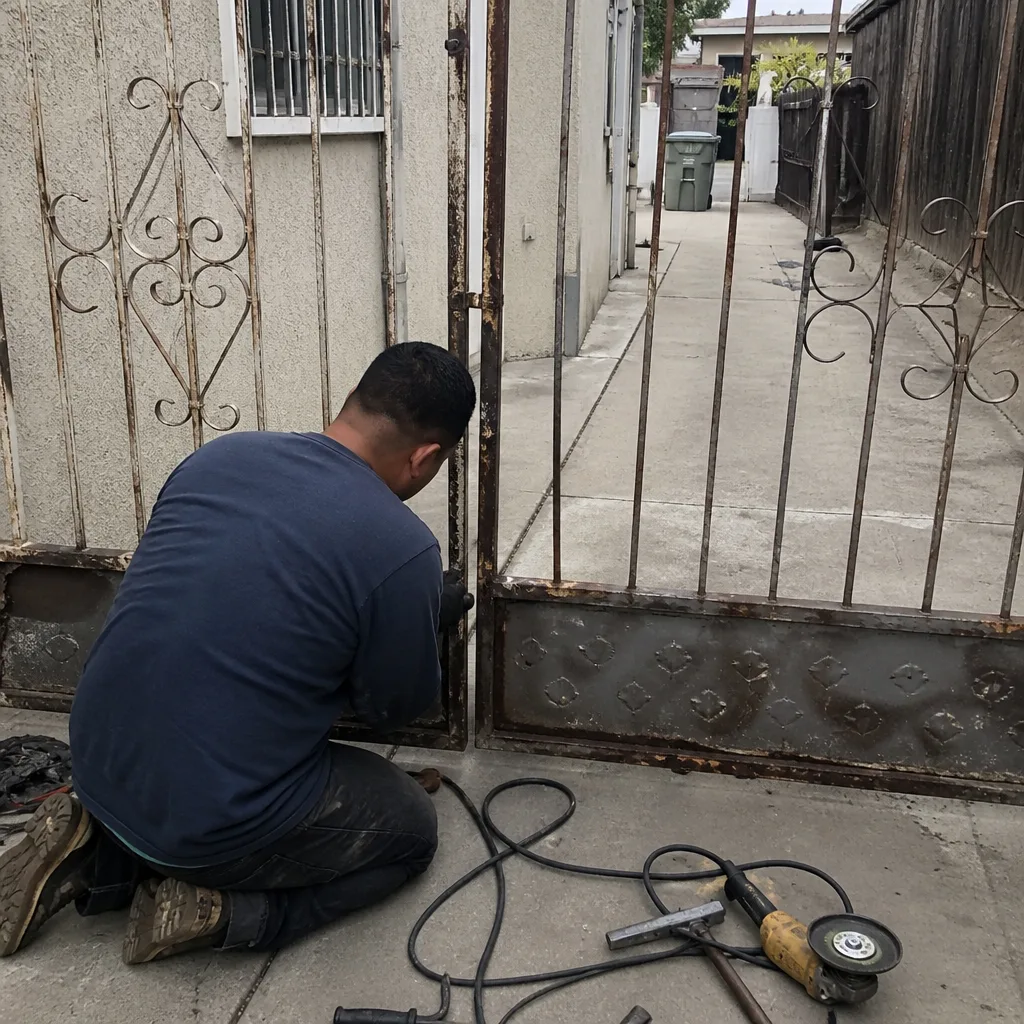 Before
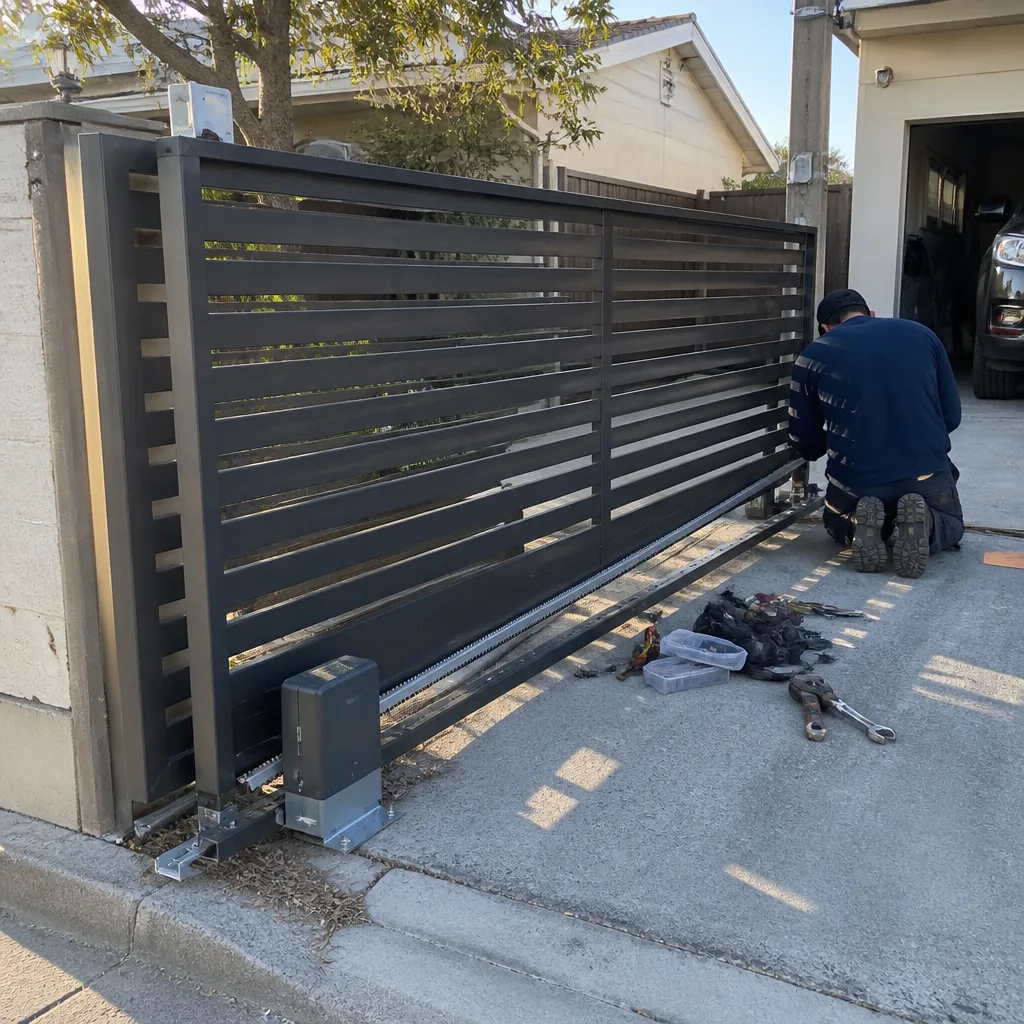 After
After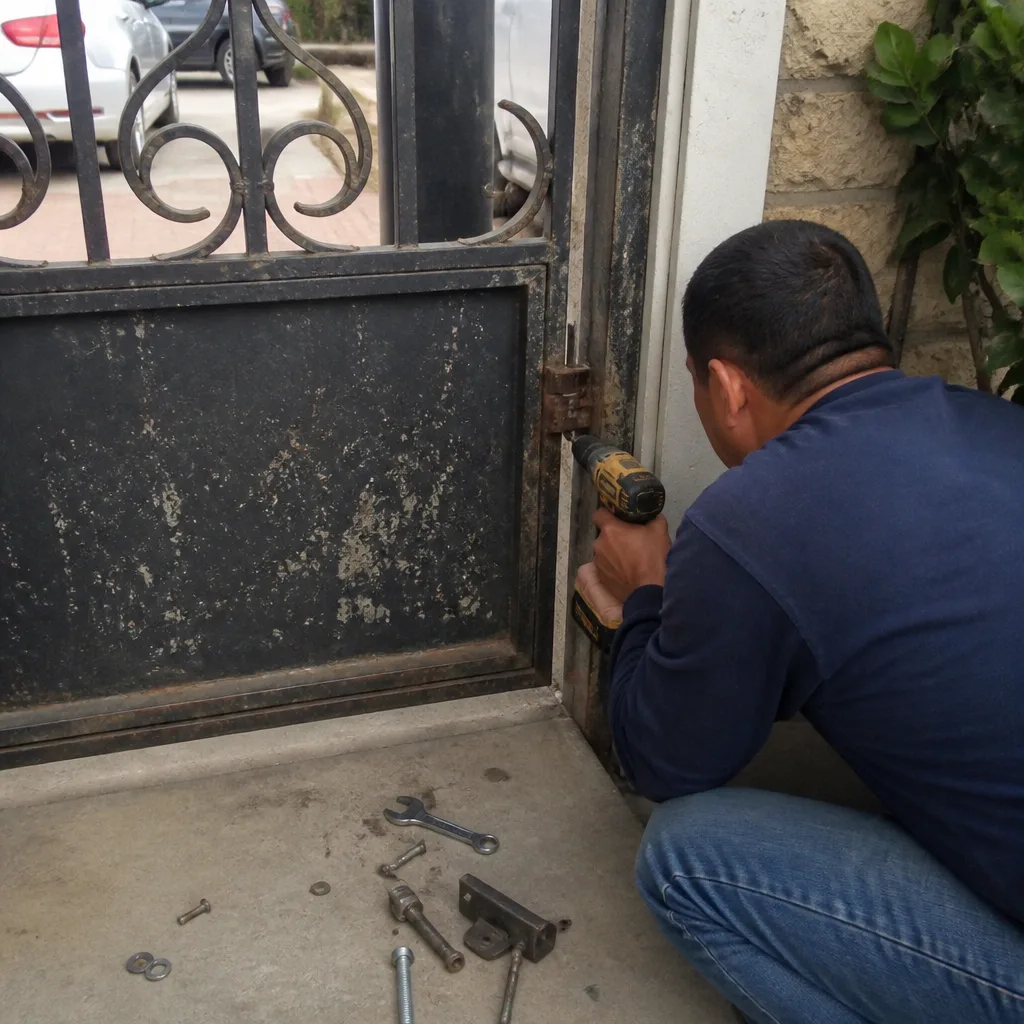 Before
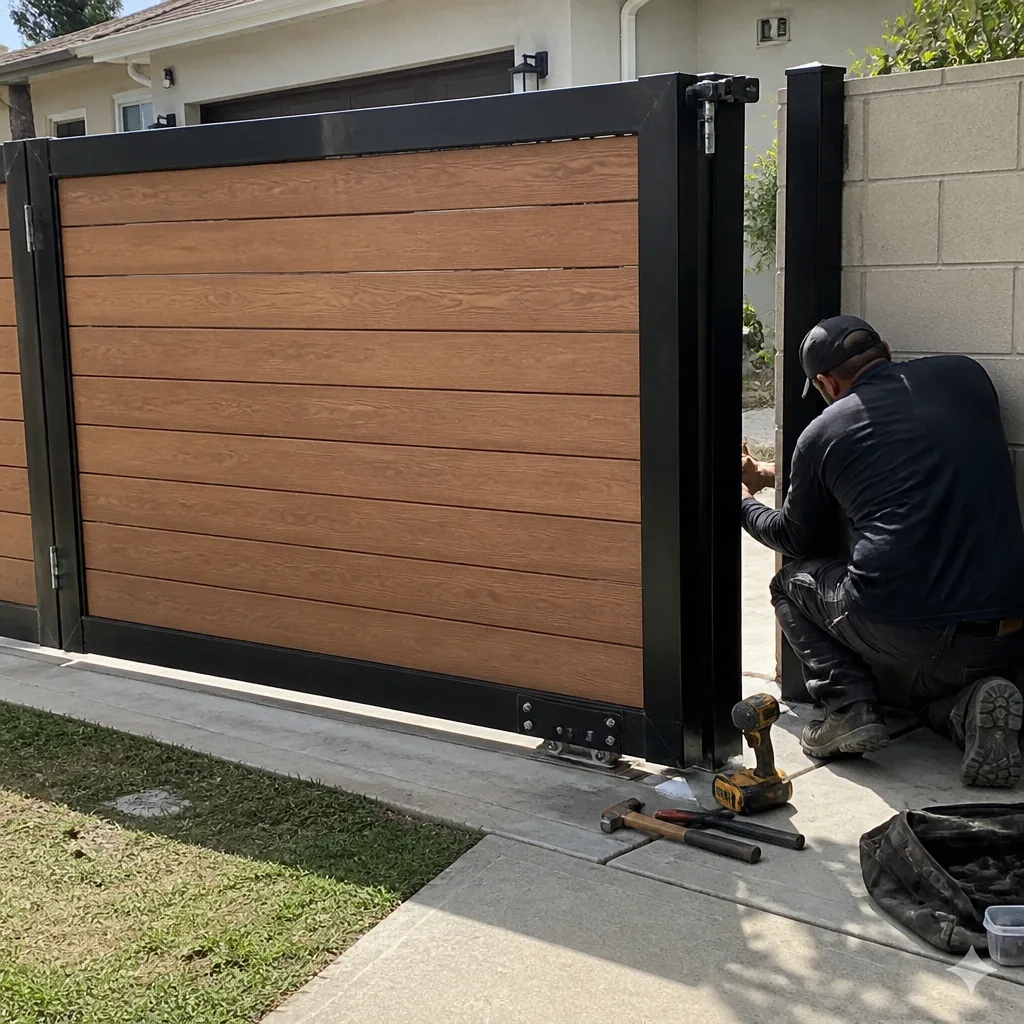 After
After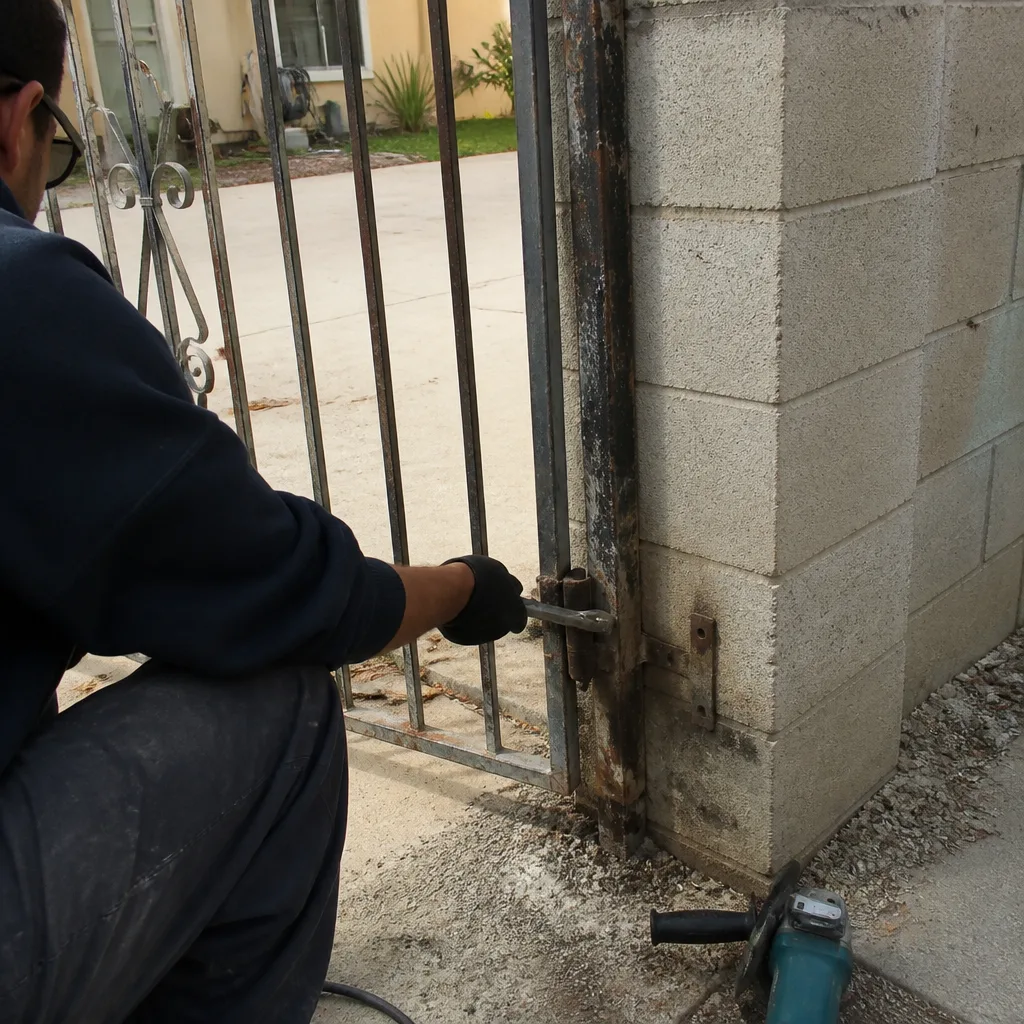 Before
 After
After